- Details
5th Workshop on FAIR Data in Plasma Science (FDPS-V)
We are pleased to announce the 5th Workshop on FAIR Data in Plasma Science (FDPS-V), which will take place on 11–12 May 2026 at Ruhr-Universität Bochum (RUB), Germany. Virtual participation will also be available. The workshop continues the annual series of events on research data management within the low-temperature plasma (LTP) community. Its goal is to present current developments and to strengthen community exchange on this topic.
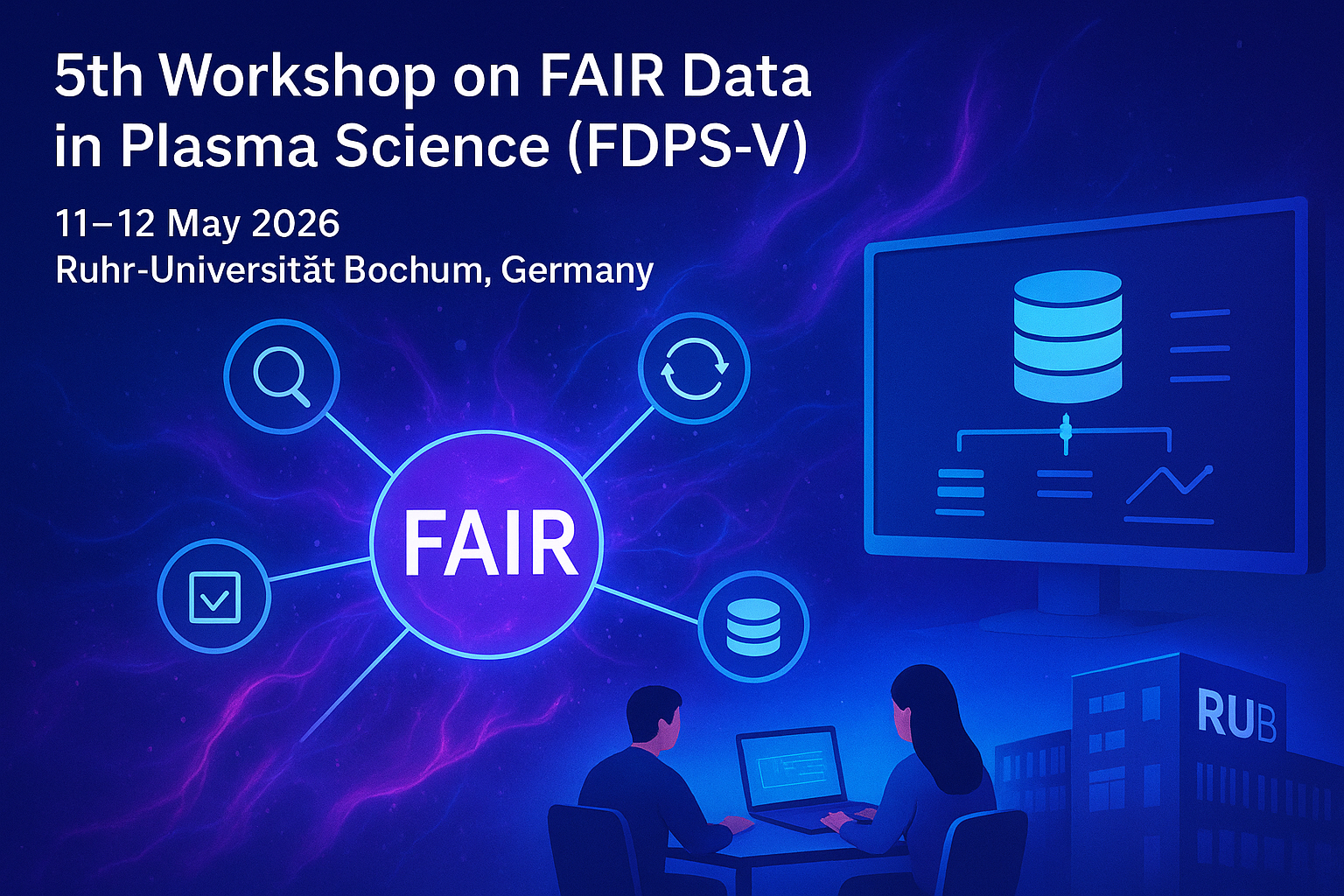 FDPS-V will provide an overview of successful solutions for collaborative research data management aimed at making data findable, accessible, interoperable, and reusable (FAIR), thereby fostering broader use of data-driven research methods. The program will cover best practices for everyday research activities as well as infrastructure tools for research data handling. Successful examples from plasma research groups and collaborative research centers will be presented. In addition, future developments and standardization efforts for data sharing and reporting within the LTP community will be discussed.
The workshop will be held as a hybrid event, and participation is free of charge. Please save the date and register via the link provided on the workshop website.
Attendance in person at INP is limited, so early registration is encouraged. The application form will be closed on 3th May, 2025.
- Details
International School on Low Temperature Plasma Physics
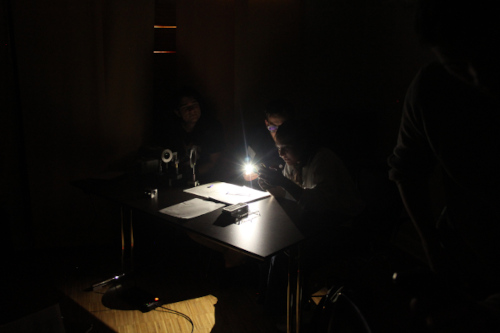
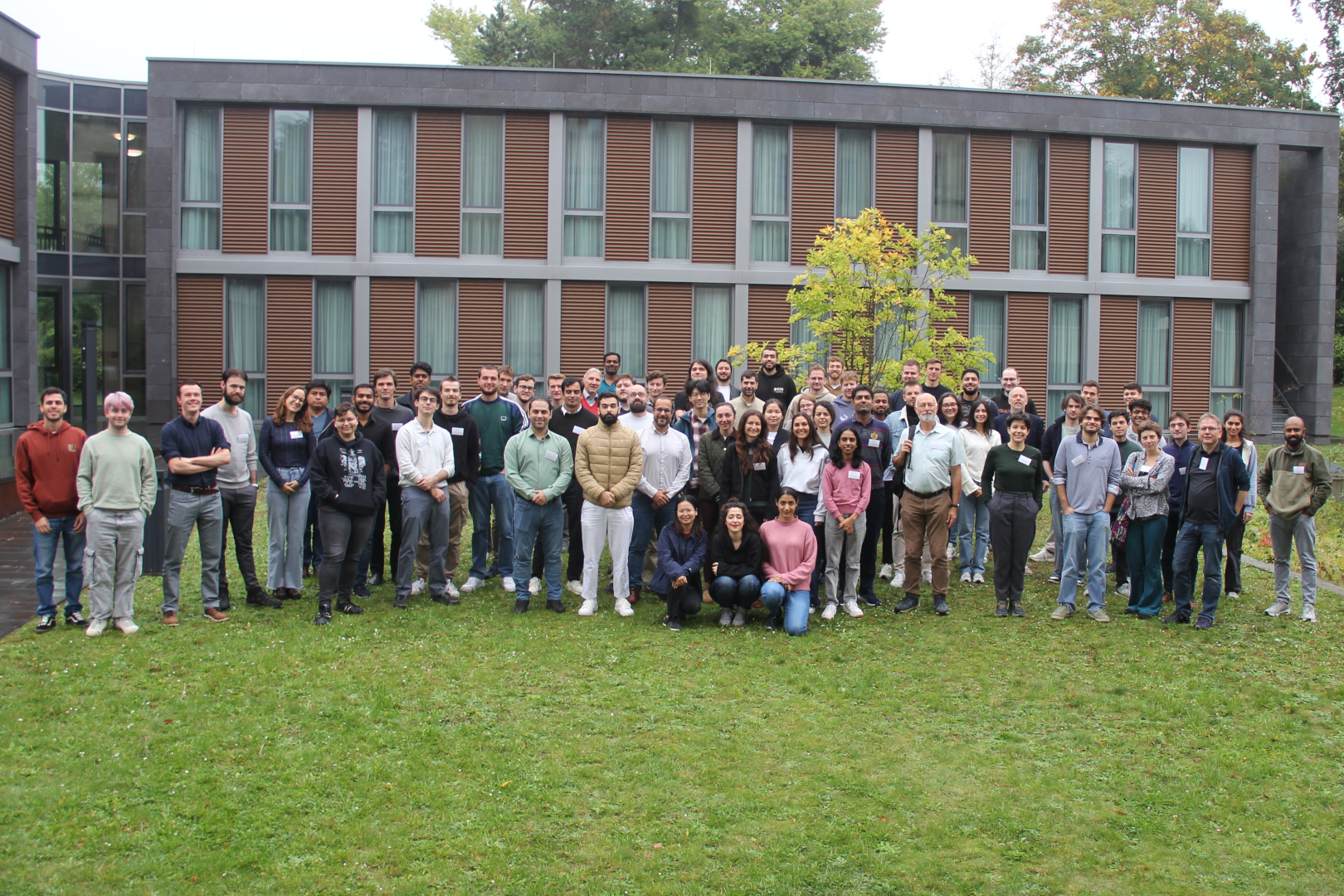
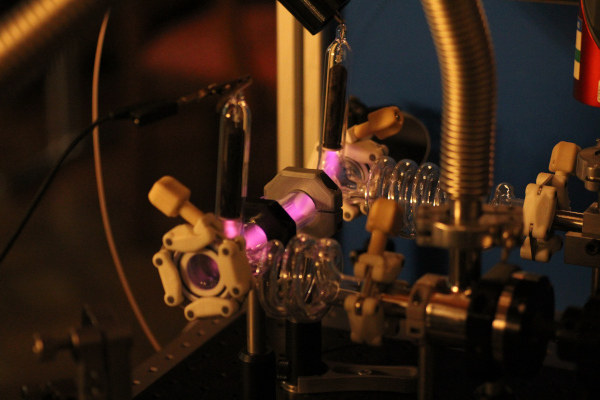 In the beginning of October, chosen Master and PhD students within the field of plasma physics, engineering and chemistry had the chance to get in contact with leading experts and lecturers. During the International School on Low Temperature Plasma Physics and the subsequent Master Class on Smart organic coatings by plasmas, fundamentals of plasmas and cutting-edge reserach has been discussed in lectures and during a poster session. Hands-on experience was obtained during three workshops lead by reknown professors from France and Portugal.
Since 28 years, the plasma school is organized by leading experts in the field of plasma physics. This year, the international chair was located at University of Mons in Belgium, while the local organizing team was located at Ruhr University in Bochum. The plasma school has also been funded by the CRC 1316 and the Research Department "Plasmas with Complex Interactions".
- Details
10th anniversary of the RAPP Center
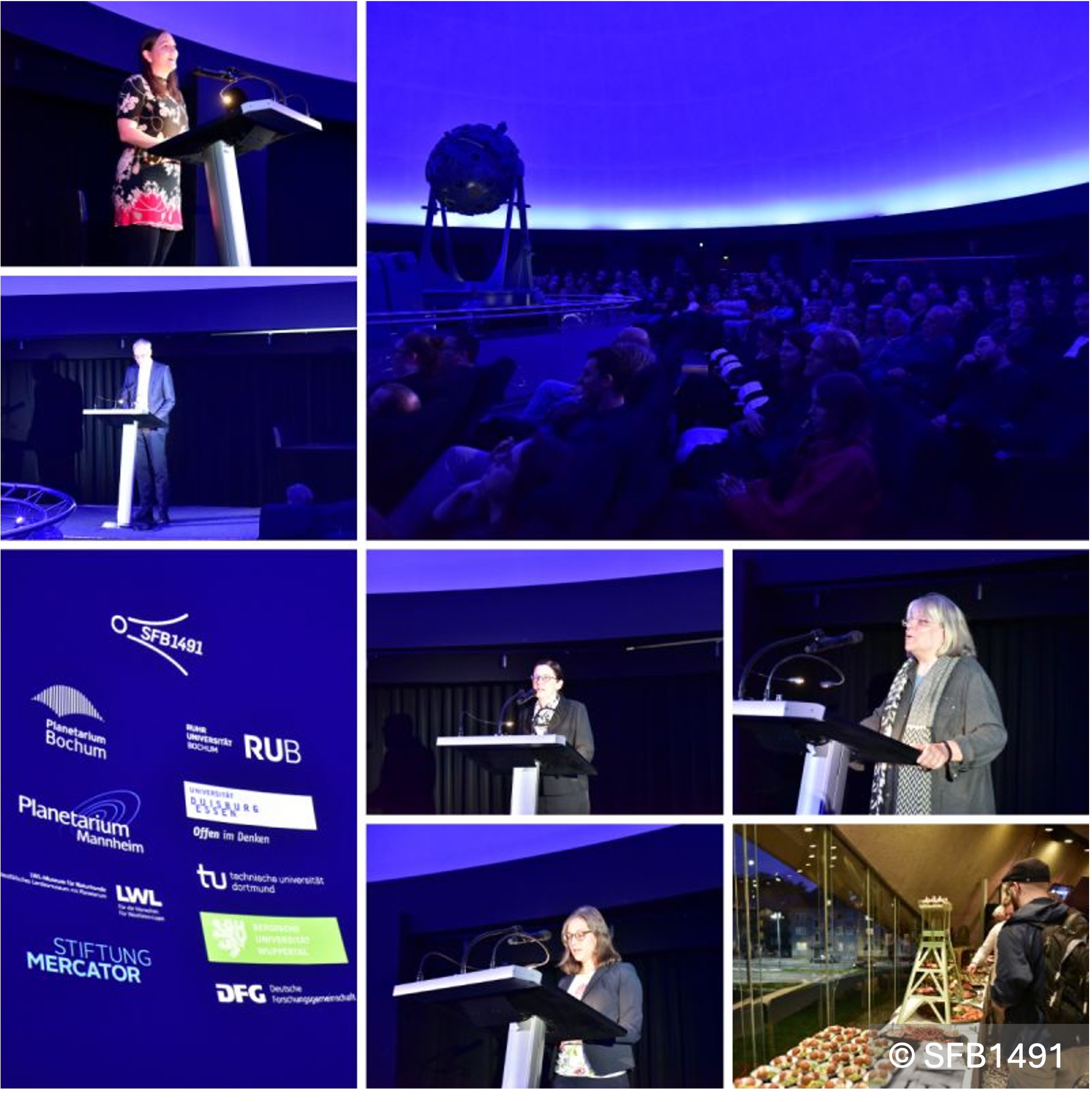 We were delighted to celebrate the 10th anniversary of the RAPP Center with some special events!
The celebrations began with a festive ceremony attended by representatives from all participating universities, including Prof. Albert (Rector of the University of Duisburg-Essen), Prof von Keudell(Prorector of Ruhr University Bochum), and Prof. McElvany (Prorector of TU Dortmund ) .
A true highlight of the evening was the premiere of our planetarium show „Unser exotisches Universum“ (“Our Exotic Universe”), which captivated the audience with fascinating insights into the science of our CRC.
The evening concluded with a reception and refreshments, providing a wonderful opportunity for conversation and connection.
The celebrations continued with a scientific conference featuring international invited speakers, held in the unique atmosphere of the German Mining Museum „Deutsches Bergbaumuseum“.
Over two days, participants engaged in stimulating discussions covering the wide range of topics represented within the RAPP Center. The event fostered lively scientific exchange and helped to strengthen the sense of community within our research network.
We are proud of what the RAPP Center has achieved over the past decade and look forward to many more years of exciting collaboration and discovery!
Picture: Some impressions from our premiere celebration.
- Details
Premiere of the SFB1491 Planetarium Show
We are pleased to announce that the SFB1491 planetarium show Unser exotisches Universum will premiere on October 8, 2025, as part of the 10th anniversary ceremony of the RAPP Center.
The production offers audiences a unique glimpse into the wide-ranging research conducted within our CRC:
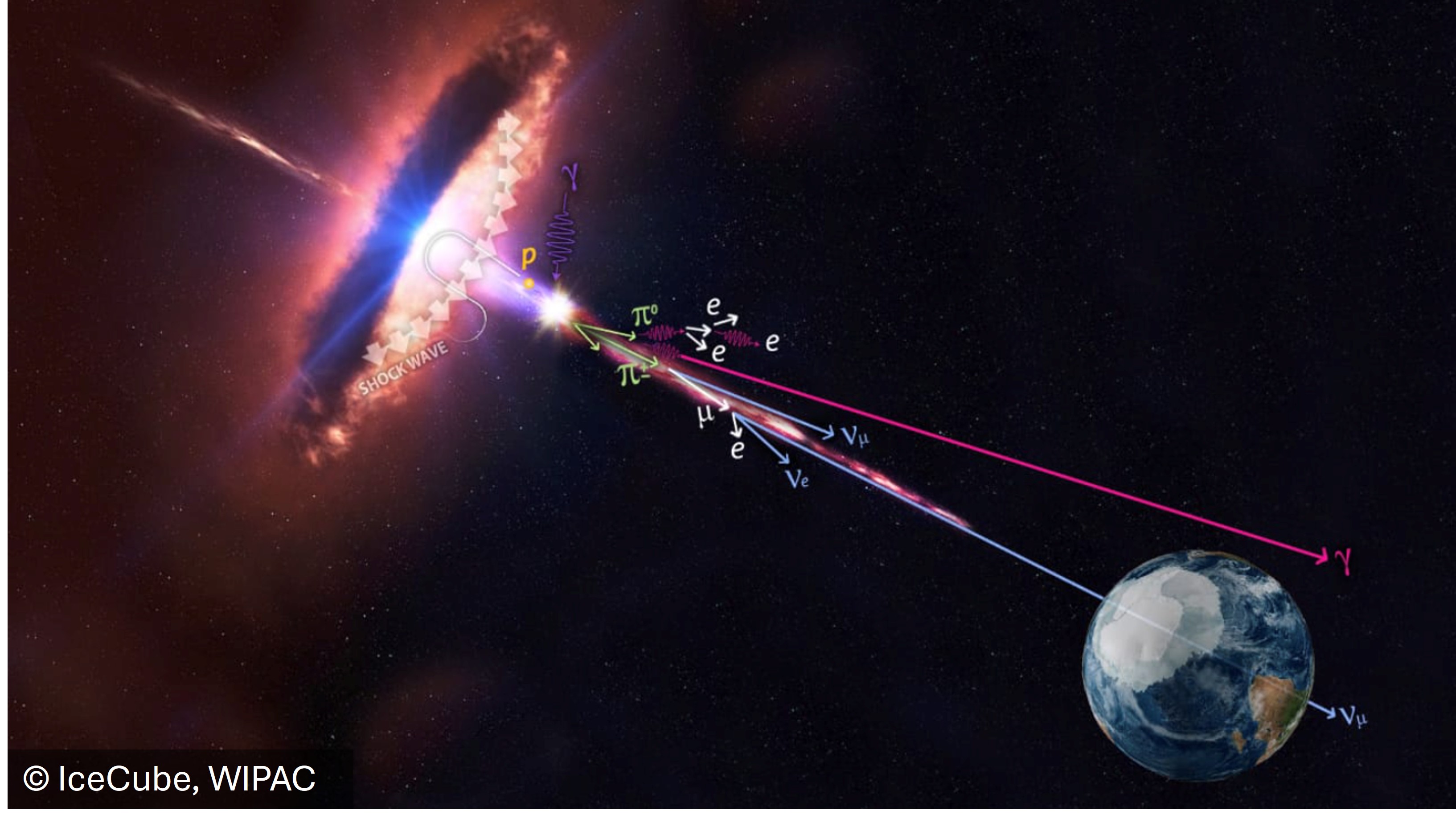
Combining cutting-edge scientific insights with visually stunning projections, the show takes viewers on a journey through the exciting world of modern physics and astrophysics — from experiments at the Large Hadron Collider (LHC) and cosmic rays in the Milky Way and other galaxies to stellar explosions and active galactic nuclei (AGNs).
Please note that the show is currently available in German only. An English version is in preparation.
Beginning October 12, the show will be presented regularly at the Planetarium Bochum and at other venues, including the LWL-Museum für Naturkunde mit Planetarium and Planetarium Mannheim .
Further information on the detailed schedule at the Planetarium Bochum can be found here.
Please also have a look at the RUB's News article on our show here.
https://www.youtube.com/watch?v=FmYDtF8V4OM?si=qsycfGYqsZnERfWR
- Details
CRC annual meeting in Hamminkeln
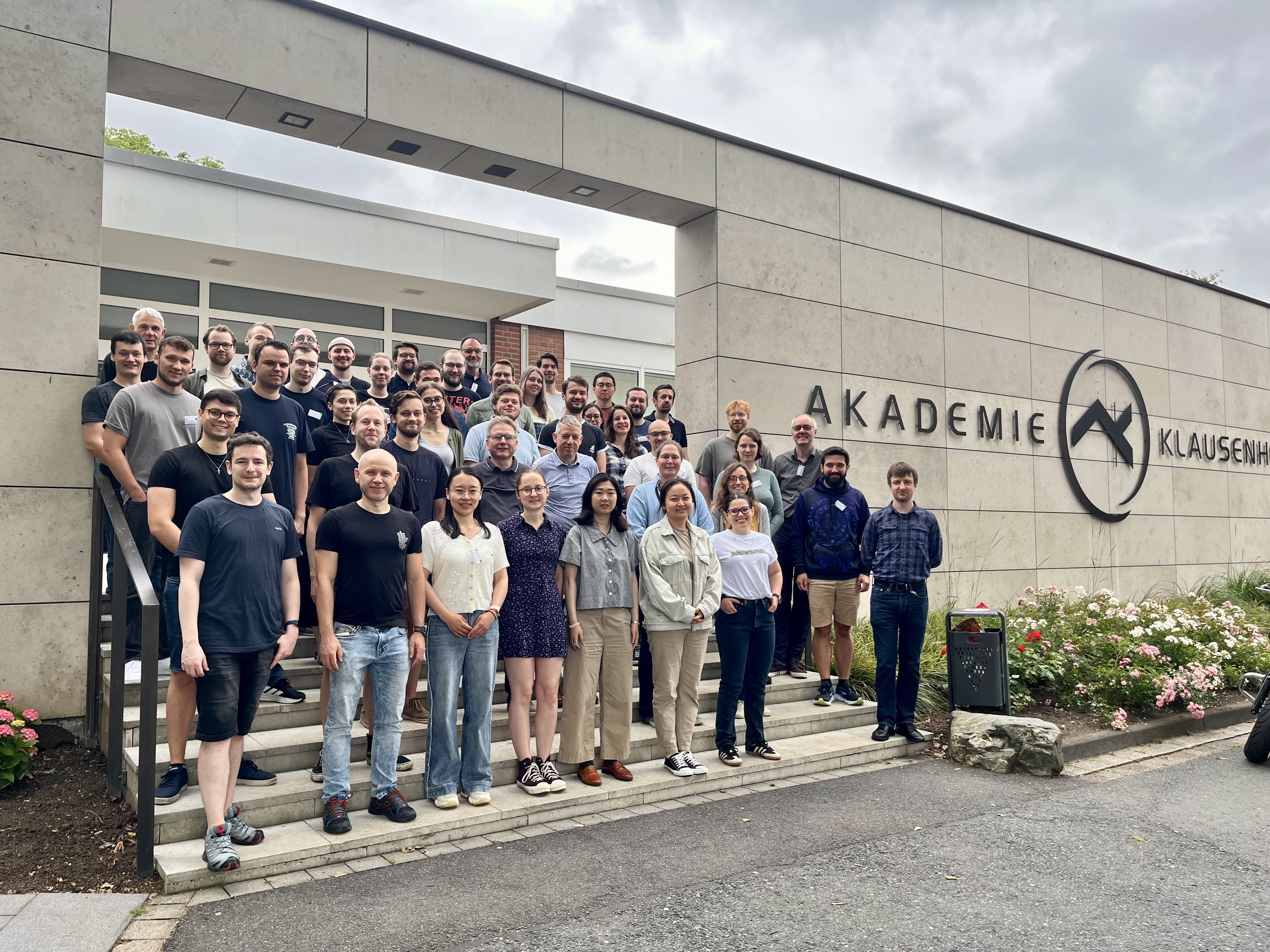 Building on the success of last year, this year’s general assembly of CRC 1316 once again took place in Hamminkeln-Dingden.
Over the course of three days, the CRC 1316 members discussed recent results and especially focussed on the upcoming scientific work.
The overwhelmingly positive feedback highlights the importance of this annual gathering in fostering scientific dialogue and advancing collaborative research.
- Details
RDM Workshop
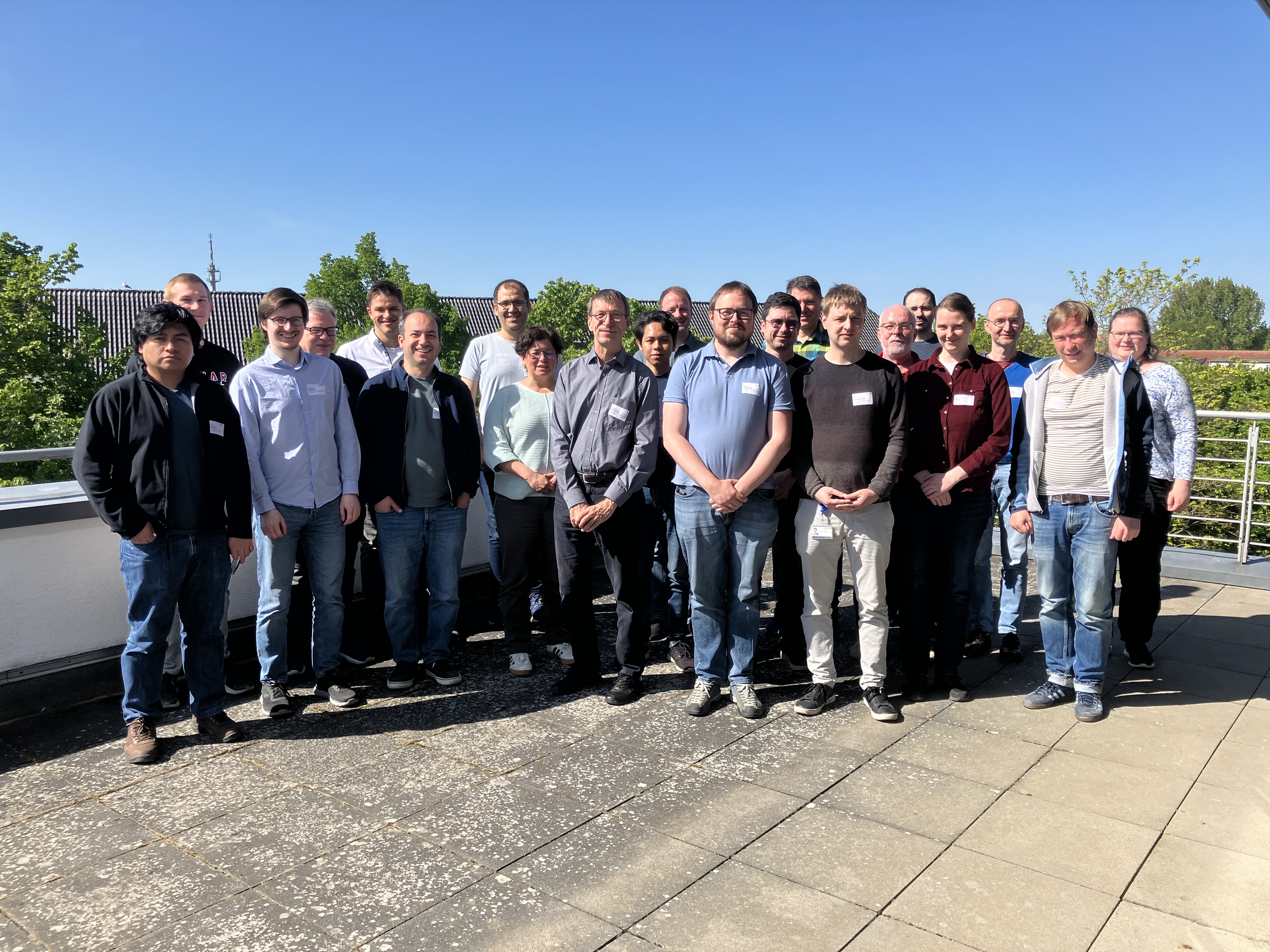 From May 12 to 13, the 4th Workshop on FAIR Data in Plasma Science (FDPS-IV) took place online and in-person at the Leibniz Institute for Plasma Science and Technology (INP) in Greifswald, Germany. This workshop was a continuation of annual events on research data management in the low-temperature plasma community. Ranging from general presentations on frameworks for research data management and the creation of suitable ontologies towards hands-on examples on the use of electronic lab books during student’s practical exercises, recent developments within the field have been discussed. This workshop provided a valuable platform to exchange experiences and ideas on future implementations, .as research data management following the FAIR-principle (findable, accessible, interoperable, reusable) becomes more and more important within the community. In particular the use of an electronic lab book has been topic of several contributions. Thanks to the organizers Marina Prenzel (RUB), Andreas Schramm (RUB), Markus Becker (INP) and Kerstin Sgonina (CAU Kiel) for this valuable opportunity to exchange expertise.
- Details
Announcement for the 4th Workshop on FAIR Data in Plasma Science
We are happy to announce the 4th Workshop on FAIR Data in Plasma Science (FDPS-IV), which will take place online and in-person on
12-13 May, 2025 at the Leibniz Institute for Plasma Science and Technology (INP) in Greifswald, Germany.
This workshop is intended to provide an overview of successful solutions for collaborative research data management with the goal to make data findable, accessible, interoperable and reusable (FAIR). It is a continuation of annual events on research data management in the low-temperature plasma (LTP) community in the past years. Open for everyone, the FDPS-IV workshop provides insights into best practice in day-to-day research work as well as infrastructure tools for handling of research data. To even broaden the discussion on future applications, a poster session will be held in-person.
Call for poster contributions
Researchers, data managers, and practitioners are invited to contribute to the discussion with a poster on their solutions on research data management. Submissions that highlight real-world experiences, best practices, and insights related to the integration of FAIR principles into research workflows are encouraged.
Registration
The workshop will be held as a hybrid meeting and participation is free of charge. Please save the date and register by following the registration link on the workshop website: https://www.plasma-mds.org/ws-fair-data-plasma-science-4.html.
Poster contributions must be submitted during the registration process. Please note that the attendance in person at INP and the number of poster spaces is limited, so early registration is encouraged to secure your spot (max. DIN A0, portrait format).
The registration will be closed on 4th May, 2025.
Contact
The workshop organization is part of the activities of the working group Experimental Plasma Physics at the Kiel University (CAU), the INF project of the CRC 1316 at the Ruhr-University Bochum (RUB) and of the department Plasma Modelling and Data Science at Leibniz Institute for Plasma Science and Technology (INP).
Dr. Markus Becker
Leibniz Institute for Plasma Science and Technology (INP)
Felix-Hausdorff-Str. 2
17489 Greifswald
Germany
E-mail:
- Details
General Assembly 2025
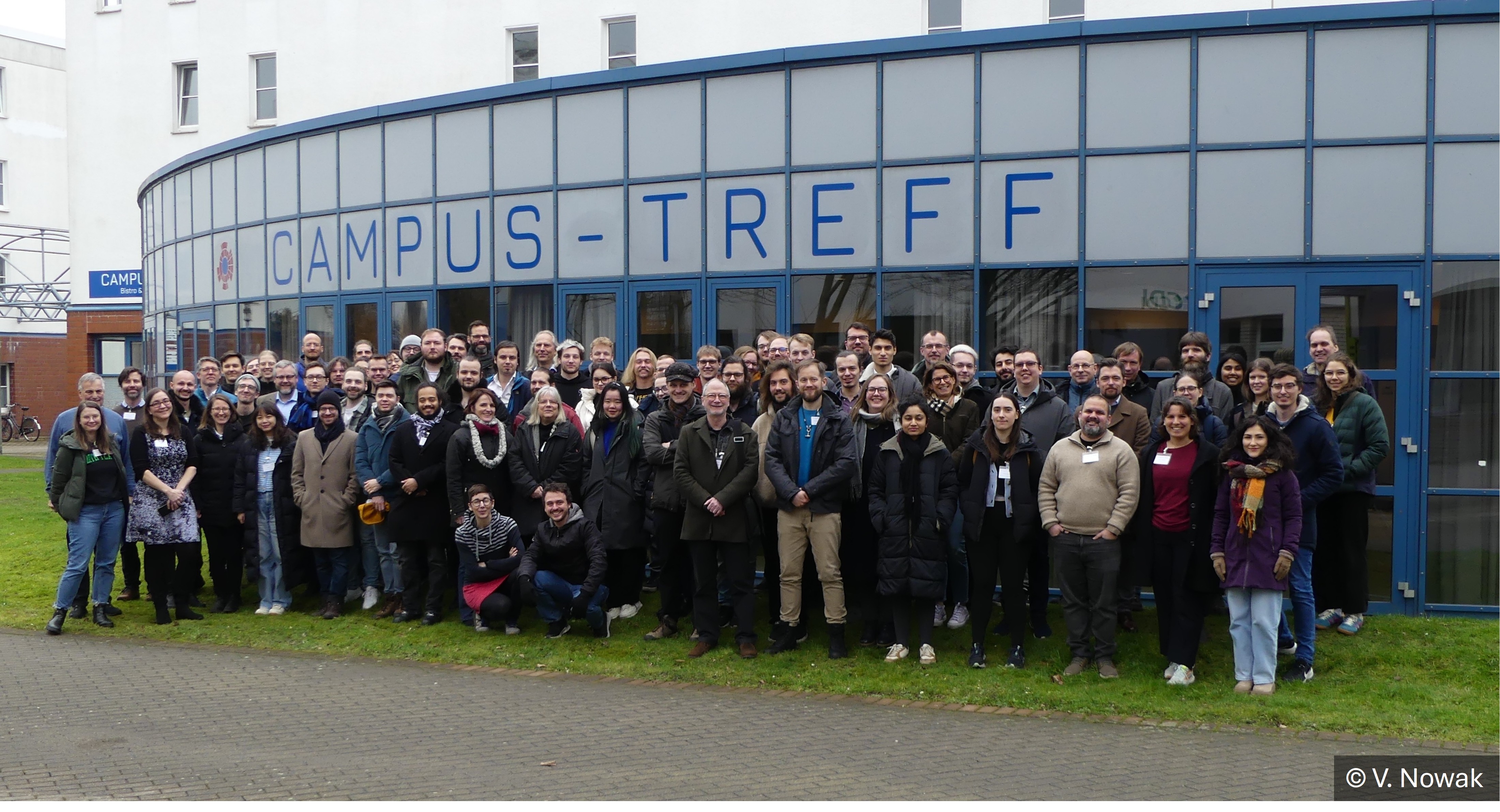
For two days in February, all SFB1491 researchers came together at TU Dortmund to discuss the latest results, covering a wide range of topics including the search for dark matter, investigating (cosmic) magnetic fields, the modeling of accretion and ejection phenomena in astrophysics, and the exploration of cosmic rays and neutrinos in astrophysical as well as collider experiments.
A special highlight were the keynote talks by Dr. Imre Bartos (University of Florida) on "The Expanding Gravitational Wave Horizon: Emerging Opportunities for Multimessenger Discovery" and Dr. Daniel Verscharen (Mullard Space Science Laboratory) on "Electron heat flux in structured plasmas: collisions, trapping, and wave-particle interactions".
More information on our meeting, in particular the program, can be found here
- Details
Plasma School
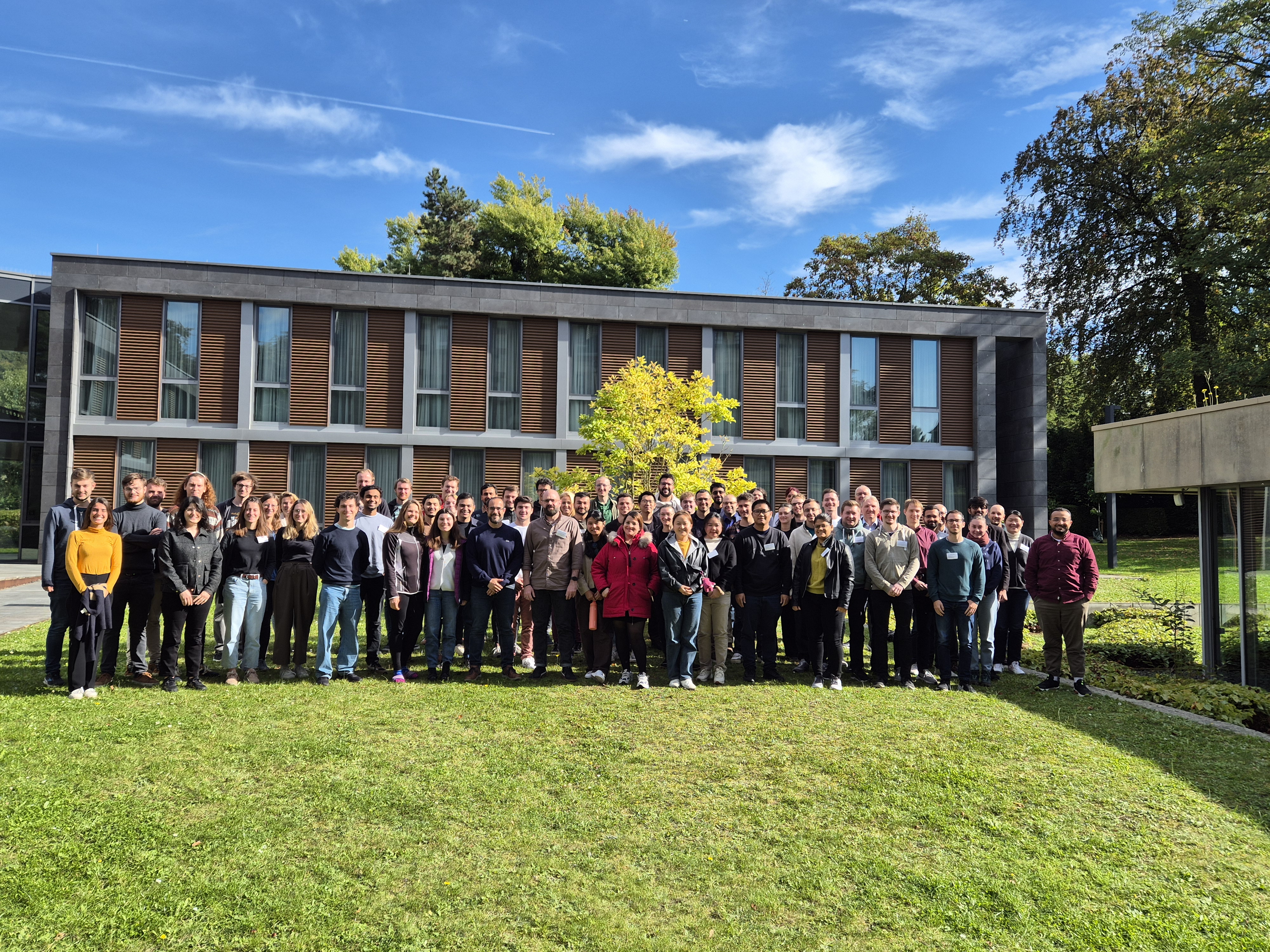 The 27th International Plasma School on "Low Temperature Plasma Physics: Basics and Applications," took place from October 5 to October 10, 2024, in Bad Honnef, Germany. The Master Class titled “Plasmas, Liquids, and Nanomaterials,” was held from October 11th to October 12th, 2024. For more information , please visit our website: www.plasma-school.org.
- Details
PI Days September 2024
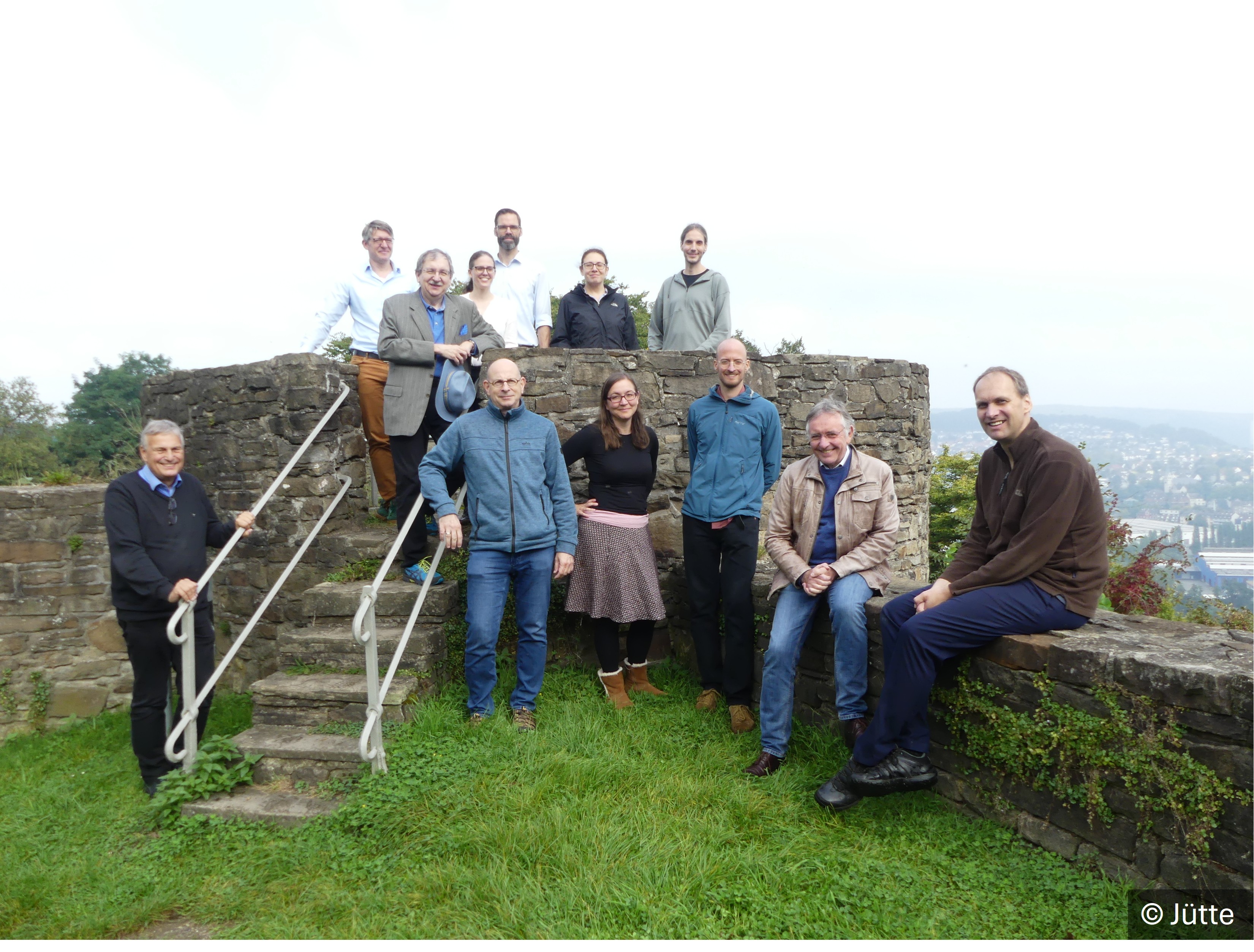
The official fall workshop of our PIs took place at Volmarstein Castle.
Away from the hustle and bustle of our universities, we worked intensively and focused on the future of our CRC: current projects were discussed and new research questions identified in lively talks, smaller discussion groups and the entire plenary session.
It remains exciting with cosmic interacting matter!
- Details
AG2024 Splinter Meeting: The Physics behind the Multimessenger Emissions of Active Galactic Nuclei
Together with our colleagues of FOR5195 - Relativistic Jets in Active Galaxies we are organizing a splinter meeting at the Annual Meeting of the German Astronomical Society.
This year, the annual meeting will be hosted at the University of Cologne from September 09-13, 2024.
Our joint splinter meeting comprises all aspects of multi-messenger AGN research to understand the processes which produce electromagnetic radiation, neutrinos and cosmic rays. With this approach, we will foster discussions on the physical properties, interaction mechanisms and evolution of AGN as well as how AGN influence and shape their environment.
For more information, please have a look at our meeting's page!