
- Details
Lab visit in Brazil
From Bochum to Brazil! Sarah Thiel set off on her journey and spent an exciting exchange semester at the Universidade Federal de São Carlos (UFSCar) in Brazil. Sarah is studying for a master's degree in biology at the RUB and is conducting research on enzyme immobilization in a project run by SFB1316. In Brazil, she continued working on her research project and learned new methods. But outside of research, Sarah also learned what it's like to live alone in a completely foreign country – with a new language, new people, and a completely different culture. In addition to new friendships, she brings back great impressions of everyday life in Brazil and unique experiences.
The stay took place as part of the Research School's Visiting International Professor Program, which is made possible by a cooperation between RUB and UFSCar. The research stay was funded by SFB1316.
- Details
Sam Taziaux selected for CSIRO Student Program!
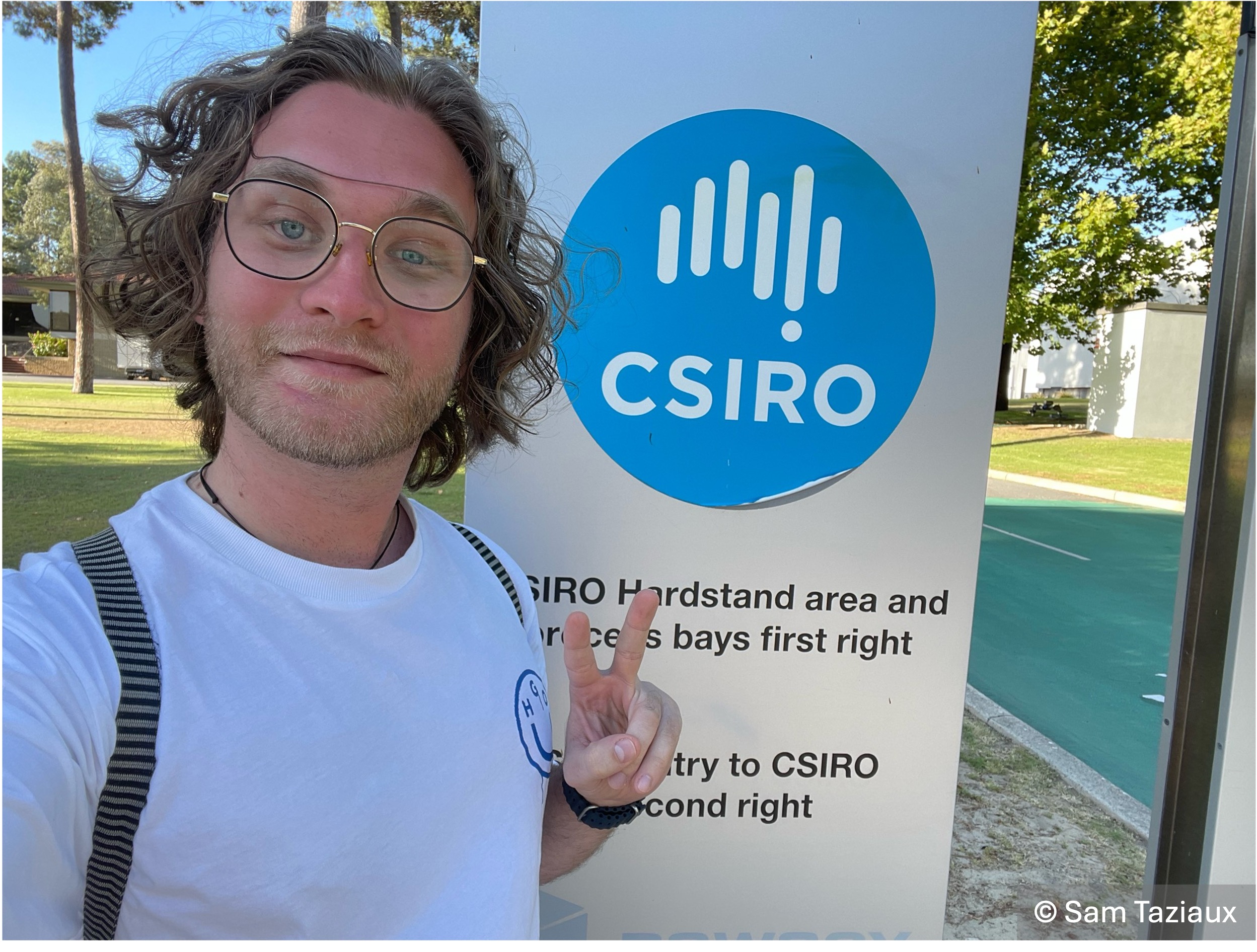 The CSIRO Student Program is a competitive initiative by the CSIRO, Australia’s national science agency. The program supports a small number of early-career researchers whose work aligns closely with CSIRO’s scientific priorities and who actively contribute to collaborative research with CSIRO teams.
Within project A2 of the CRC 1491, Sam focuses on the role of magnetic fields in dwarf galaxies and the transport of cosmic rays.
As part of the CSIRO Student program, Sam will return to Perth in November 2025 for a one-month research visit, deepening the scientific collaboration and highlighting the growing ties between the SFB and CSIRO.
He will work directly with Tim Galvin, Alec Thomson, and George Heald on joint modeling approaches and data interpretation, laying the groundwork for future shared initiatives.
- Details
Research stay at CSIRO Perth
As part of his PhD project, Sam Taziaux spent two months at the renowned CSIRO Institute in Perth, Australia. There he worked closely with George Heald, head of the SKAO headquarters in Perth, and Alec Thomson, both internationally recognised experts in the field of radio astronomy and the analysis of magnetic fields.
Sam's research project, which is part of A2, is dedicated to analysing cosmic ray transport and magnetic fields in dwarf galaxies. At CSIRO, he was able to benefit from the exceptional expertise there and was able to significantly improve the data reduction and analysis of his observed ATCA and MeerKAT data.
The stay was not only a great professional enhancement for Sam, but also a significant milestone in his scientific career, as he was able to get to know and work with the people from the CSIRO and SKAO. He was also able to establish contacts with the scientist at Curtin University in Perth to exchange ideas and expand his network.
Such research stays are excellent opportunities enabled by the CRC to specifically promote international cooperation. The CRC has thus opened up a unique opportunity to become involved in a global scientific network at an early stage, an invaluable advantage on the path to scientific independence.
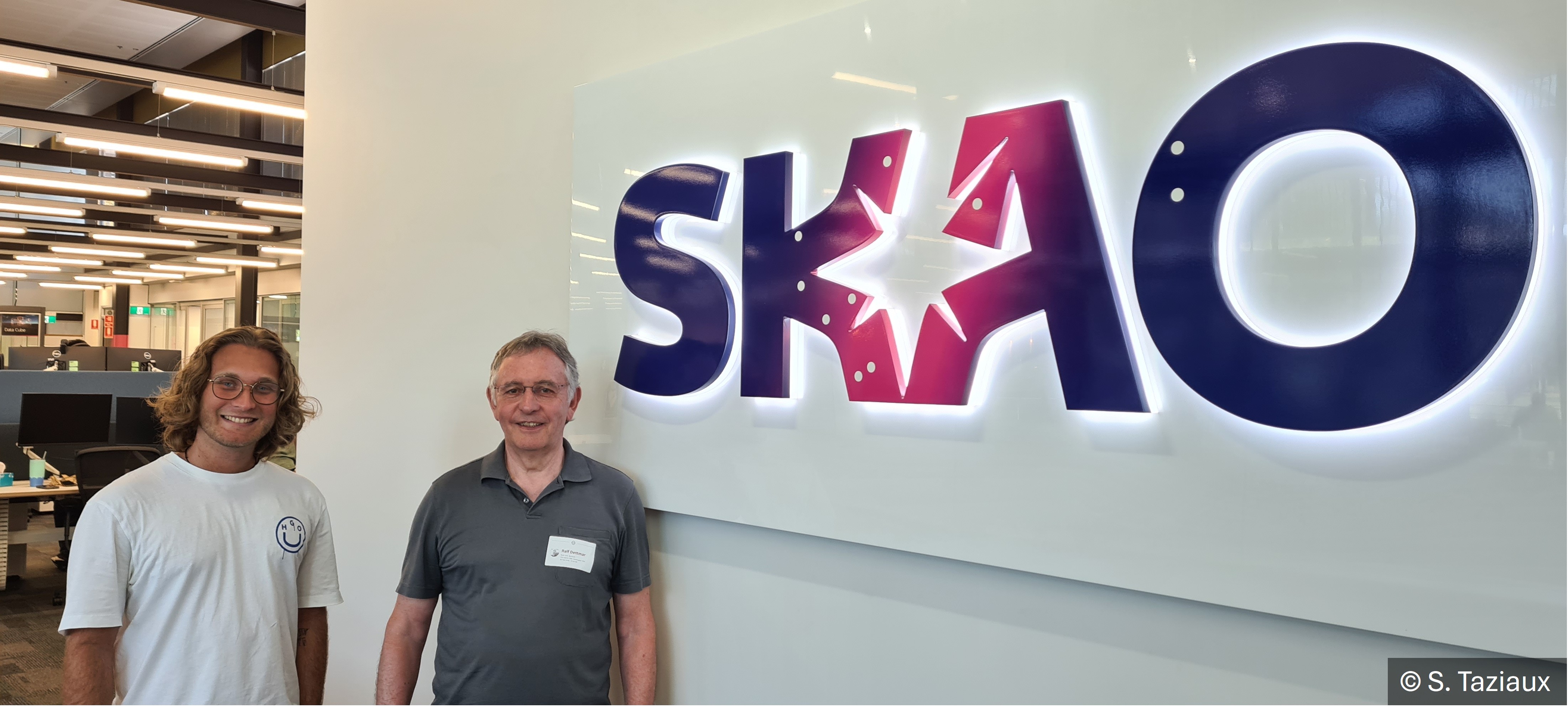
Picture: Sam Taziaux and his supervisor Ralf-Jürgen Dettmar at the SKAO regional center at CSIRO, Perth.
- Details
Laboratory stay in the USA
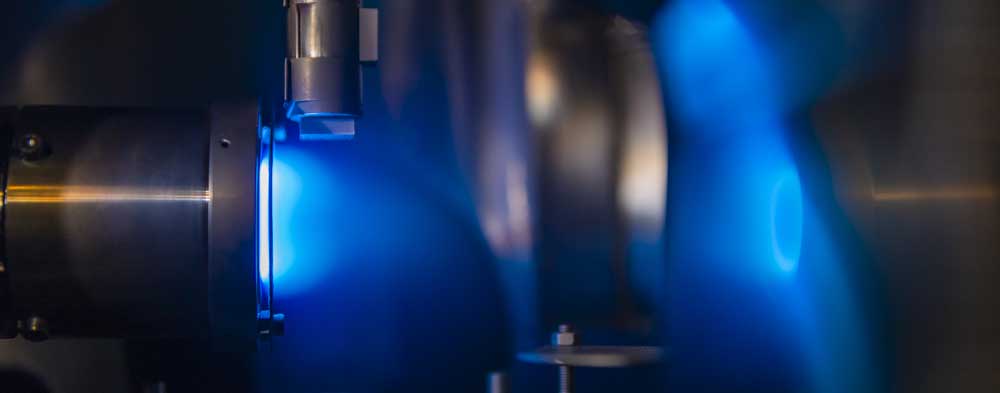
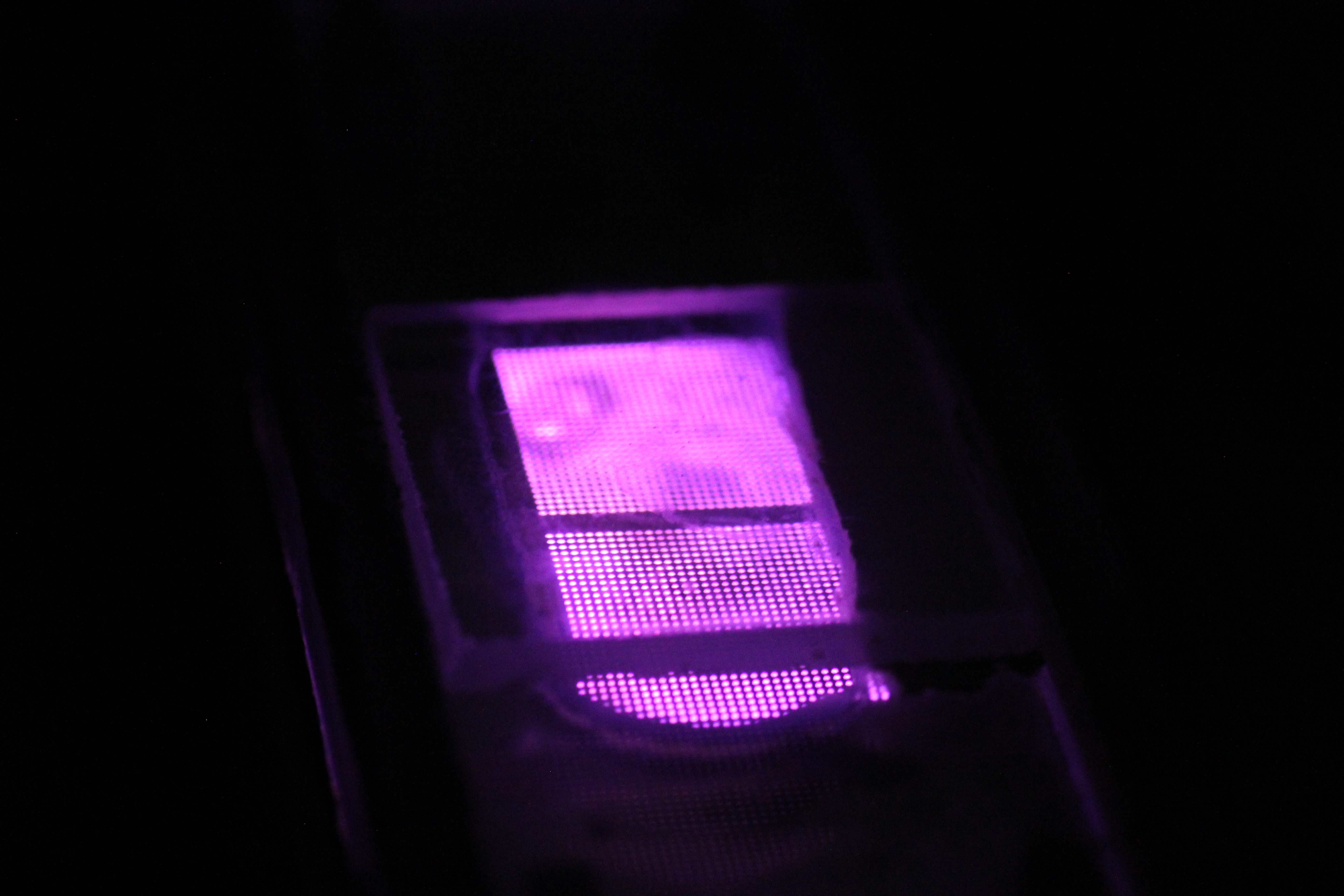
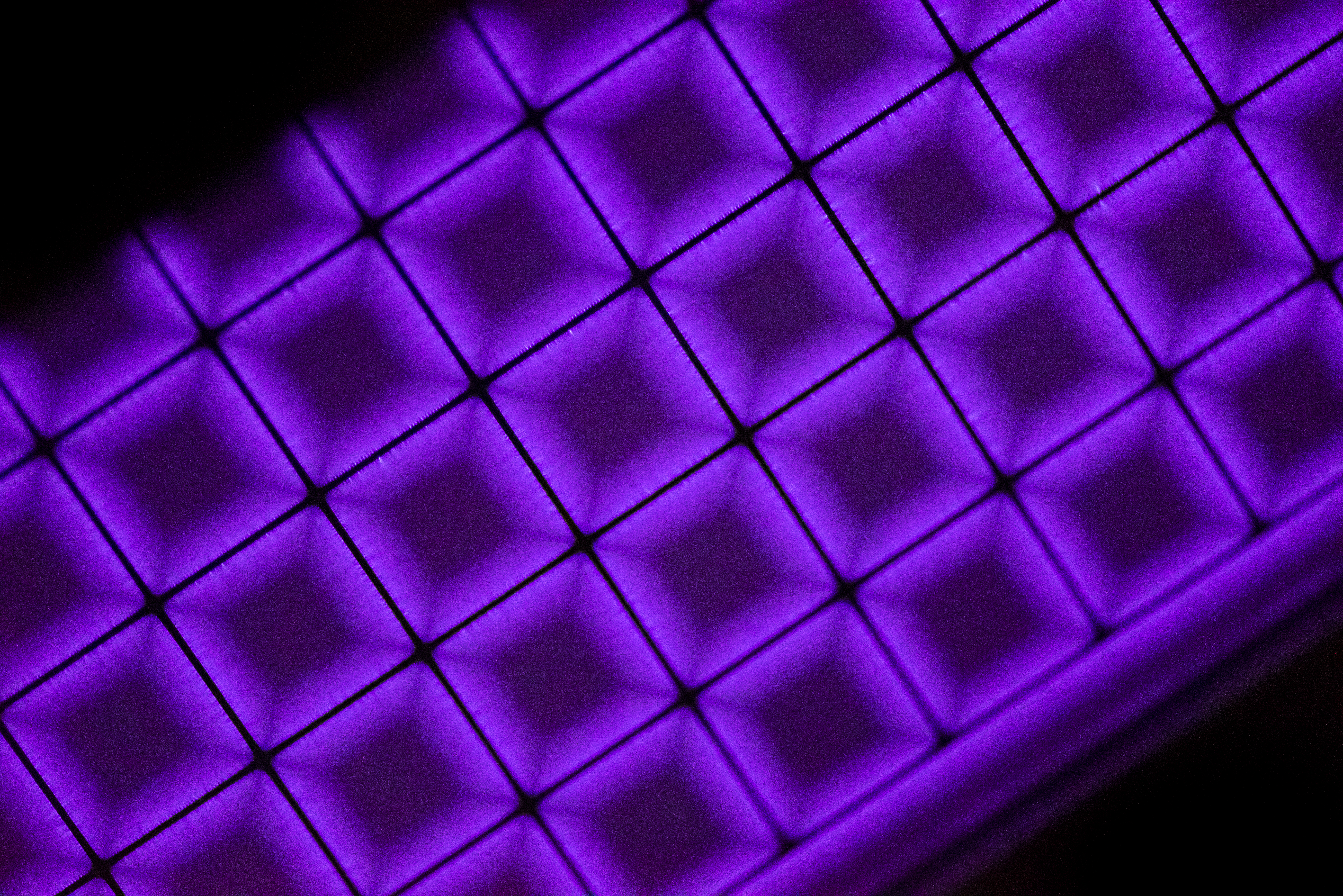
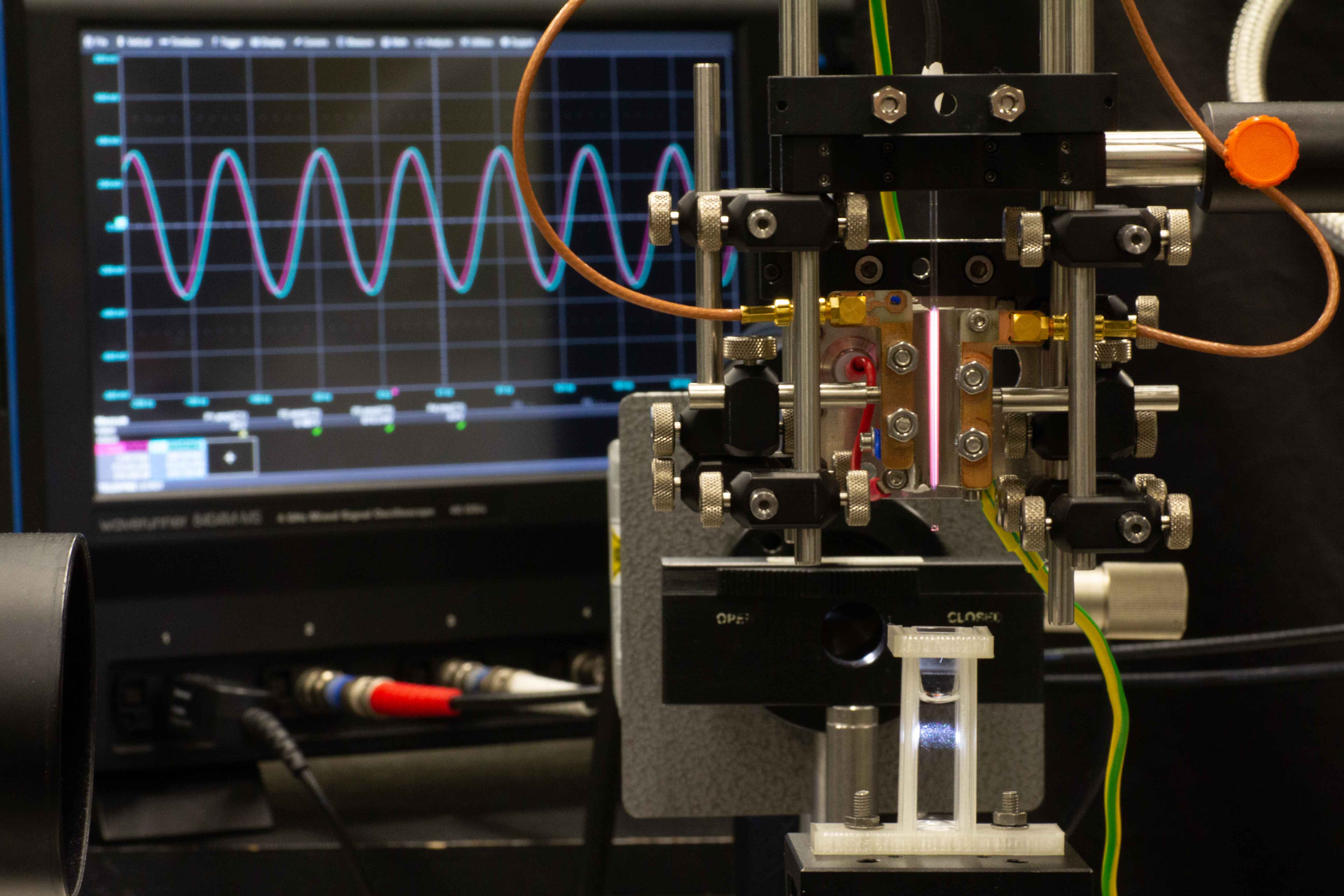
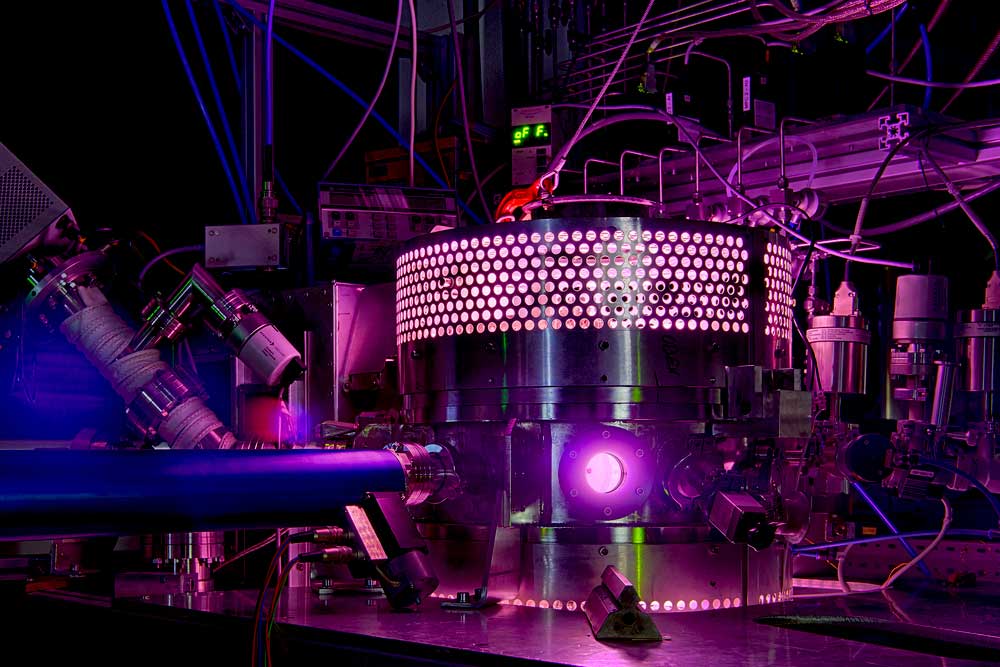
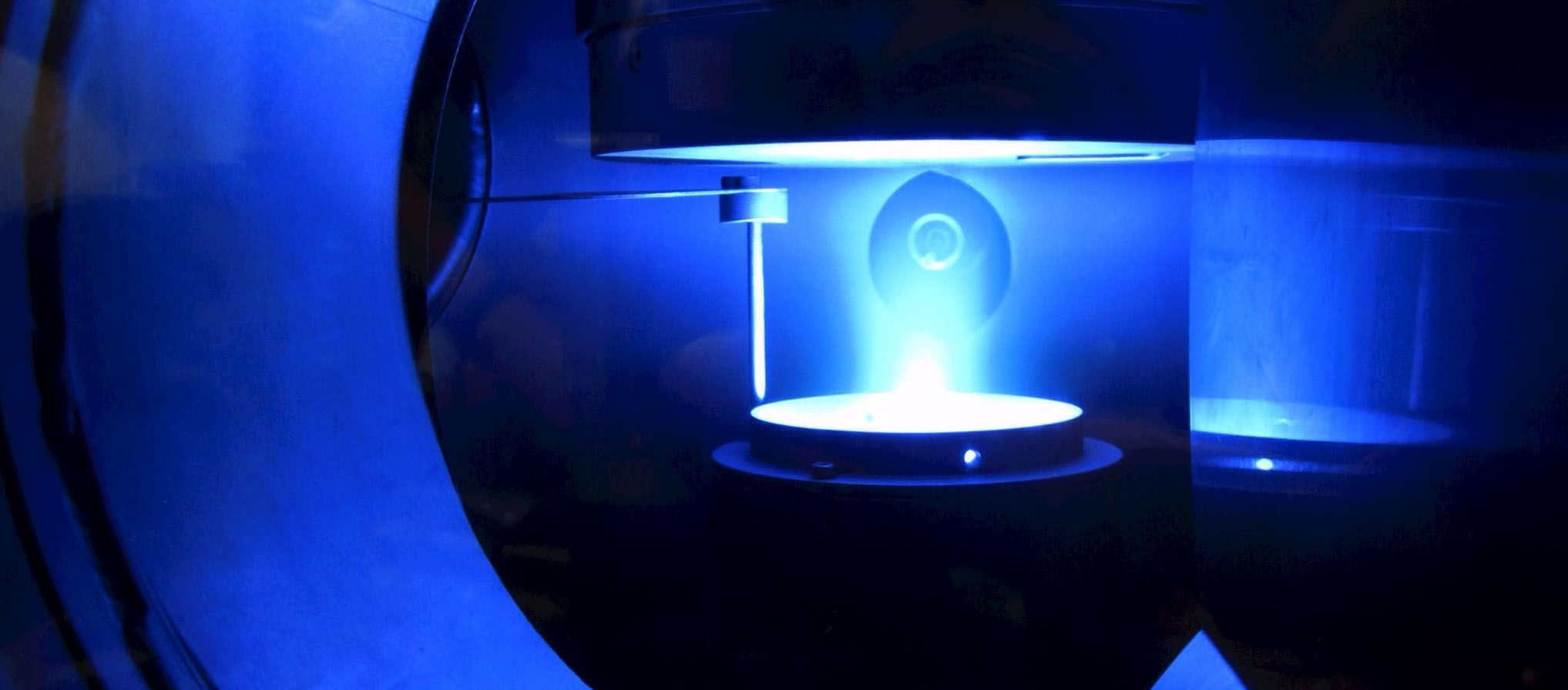
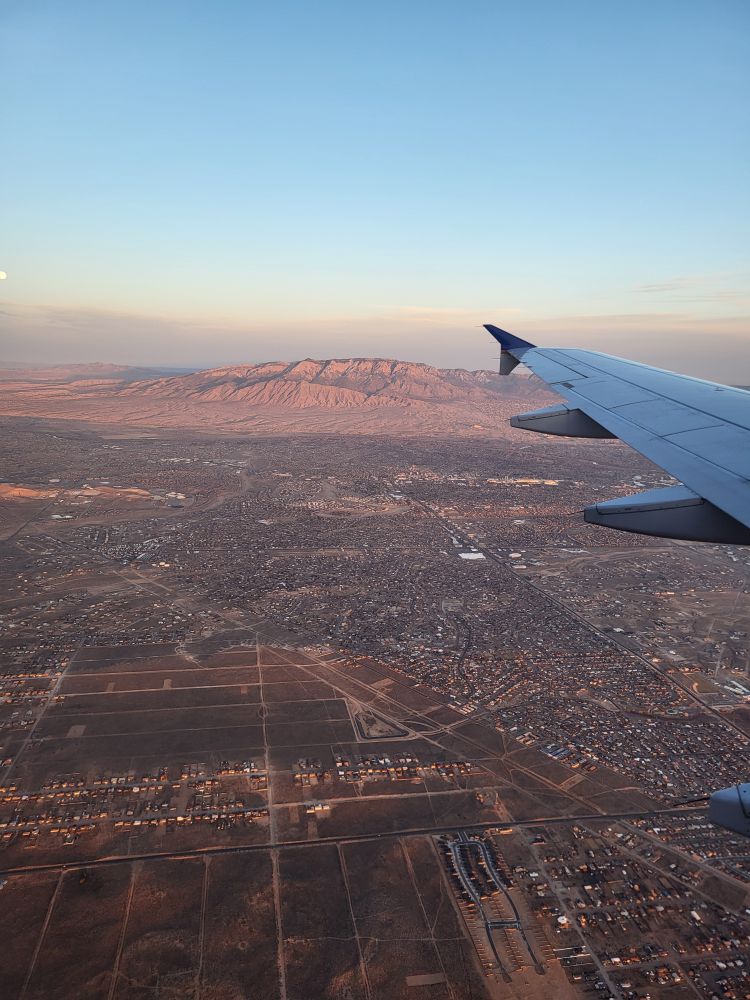 As part of his PhD, PhD student David Steuer (project A6) is spending nine weeks at the Sandia Plasma Research Facility (PRF) in Albuquerque, New Mexico, USA. Researchers can apply at PRF to submit project ideas. After a successful review process, there is then the option of using one of the excellently equipped laboratories or handing over the experiment to the cooperation partner.
The PRF also offers simulation capacities. In David's project, atomic oxygen densities are to be measured within a microcavity plasma array. A state-of-the-art picosecond laser system from the PRF can be used for this purpose.
The stay was funded by the Research School of the Ruhr-Universität Bochum (PRINT programme) and the CRC 1316.
- Details
GREMI visit of Judith Golda, Laura Chauvet and Daniel Henze
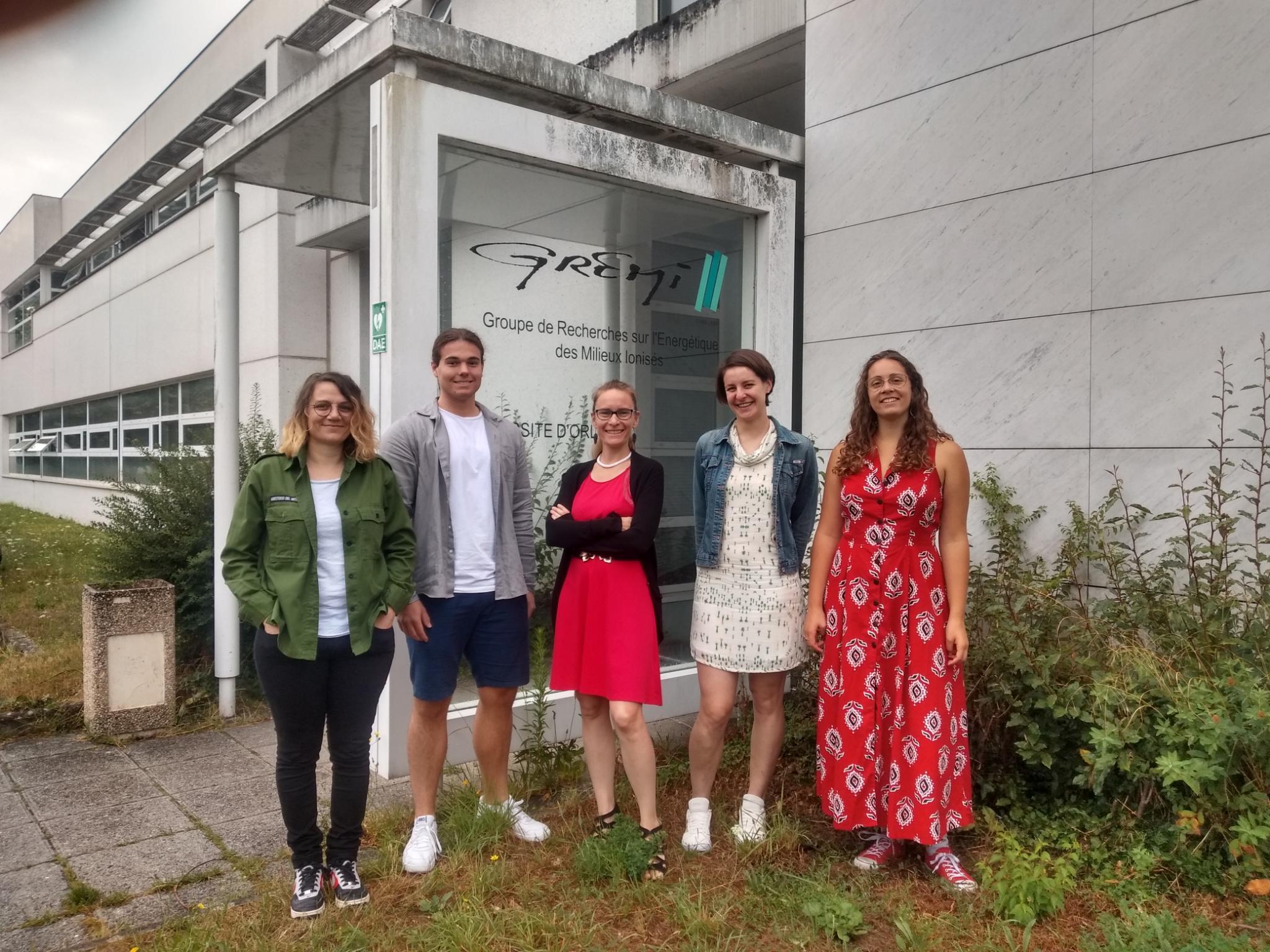 From 18 July to 29 July, Jun.-Prof. Judith Golda, Dr. Laura Chauvet and Daniel Henze from the CRC 1316 were guests in the laboratory of Prof. Claire Douat at the GREMI in Orléans. In a joint measurement campaign, two different atmospheric pressure plasma jets were being tested. They measured the production of CO at different operating conditions with a gas analyser.
This trip was funded by the DAAD as part of a PROCOPE project to improve cooperation between RUB and GREMI.
- Details
Two PhD students profit from research stay at Hamaguchi Lab, Center for Atomic and Molecular Technologies, Osaka University, Osaka
From October to December 2019, I was able to join the lab of Prof. Satoshi Hamaguchi at the Center for Atomic and Molecular Technologies in Osaka, Japan.
My field of research is applied microbiology and my focus is on biocatalytic reactions with non-thermal plasmas.
Using numerical simulations, I studied the propagation of plasma-induced reactive species in liquids to gain an insight on the depth of penetration and concentration of these species. This knowledge will help to understand the interaction between plasmas and enzymes that are studied in project B8 of the CRC 1316, specifically to protect the enzymes from inactivation and to drive biocatalysis.
The research stay in Japan was very helpful to deepen my knowledge for my main research question.
Abdulkadir Yayci, project B8 of the CRC 1316
I have visited Hamaguchi Laboratories at Osaka University in Japan for 3 months. The lab exchange was funded partially by the CRC-1316 and the JSPS core-to-core program. The group of Prof. Satoshi Hamaguchi developed a reaction-diffusion-convection simulation for the generation and transport of chemical species in water, introduced by atmospheric-pressure plasma. During my stay, I worked on a multiphase fluid model. The typical flow field of a turbulent atmospheric-pressure plasma jet in direct vicinity of a liquid was modelled by solving a k-epsilon turbulence model. A Volume-of-Fluid (VOF) method was applied for the coupled flow of gaseous and liquid phase. The simulations agree very well with experimental results in the literature. The results from the fluid flow simulations were integrated into the reaction-diffusion-convection equations to evaluate the influence of different flow regimes on the generation and transport of chemical species in the liquid.
At Bochum University, I am working as a PhD student within project B5 of the CRC 1316: 2D-plasma-liquid-solid interfaces – plasma electrolytic oxidation. The generated results can be useful for this project in regards of chemical species generation inside of liquids. In addition, the fluid flow model is interesting for other groups working with atmospheric-pressure plasmas (e.g. project B2: Self-organization of sub-µm surface structures stimulated by microplasma generated reactive species and short-pulsed laser irradiation).
Summarizing I can say, that I had a very pleasant stay in Osaka, that I personally enjoyed a lot. The cooperation with the Hamaguchi Laboratories were very fruitful and everyone was very kind during my stay.
Patrick Hermanns, project B5 of the CRC 1316
- Details
First (V)UV-double-monochromator calibration measurements at AG Benedikt in Kiel
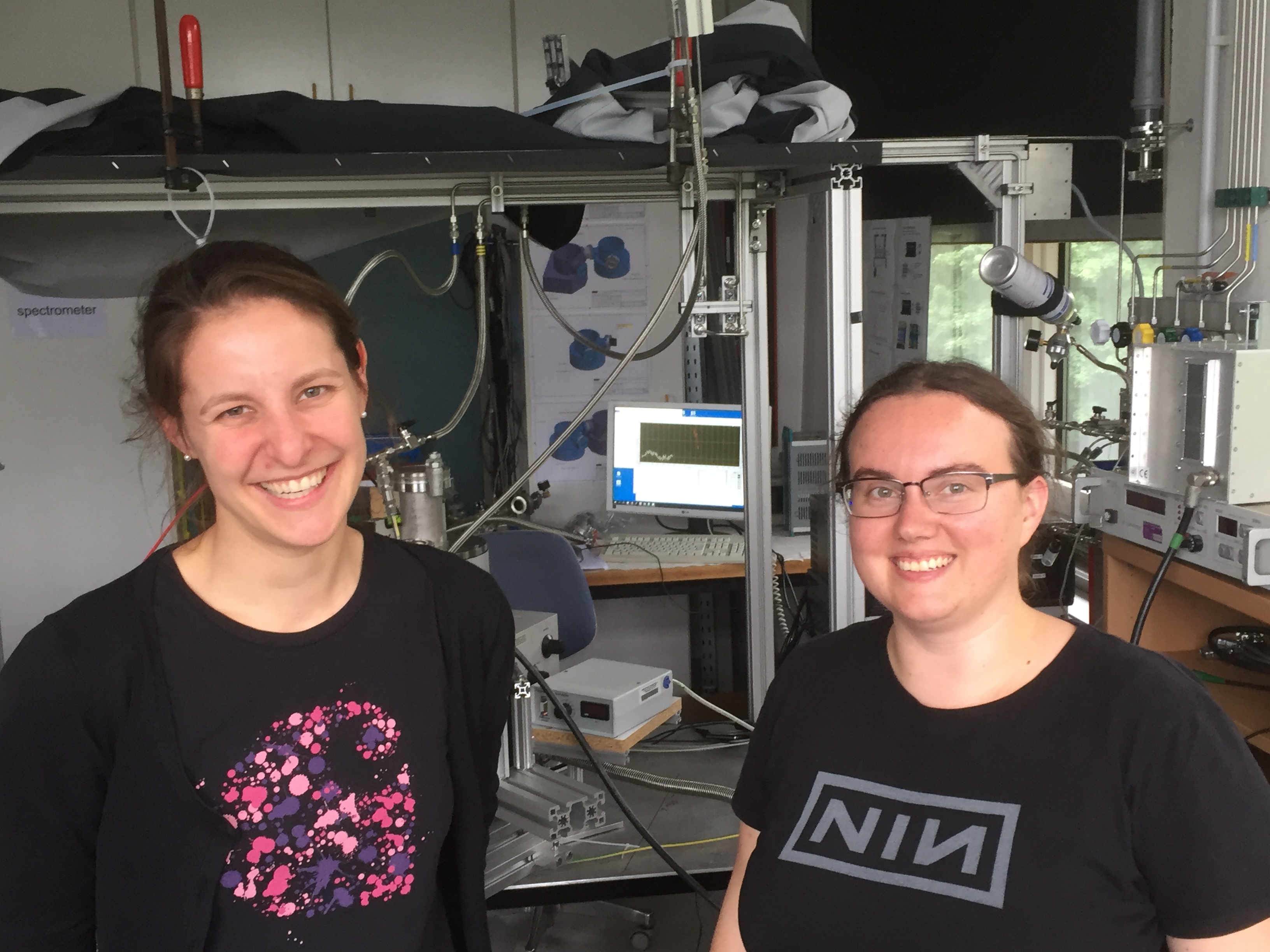 To achieve a relative intensity calibration of a (V)UV-monochromator, the use of the double monochromator method is common. Two monochromators work in tandem, and the difference in the spectrum from a stable light source of the first monochromator through the second monochromator is utilized to obtain a relative intensity calibration. From July 8th until July 12th, Beatrix Biskup, from project B2 of the SFB-TR 87, stayed at the university in Kiel to achieve the monochromator calibration.
The monochromator from Bochum was transported beforehand to the AG Benedikt at CAU (Christian-Albrechts-University) in Kiel. The technical staff made all the preparations necessary for the monochromators from Bochum and Kiel to work together in tandem. Together with Dr. Judith Golda and Prof. Dr. Jan Benedikt in Kiel, Beatrix Biskup did the first test measurements, which could be accomplished. Further cooperation with the research group will be executed in future.