
- Details
Two PhD Students at Hakone conference
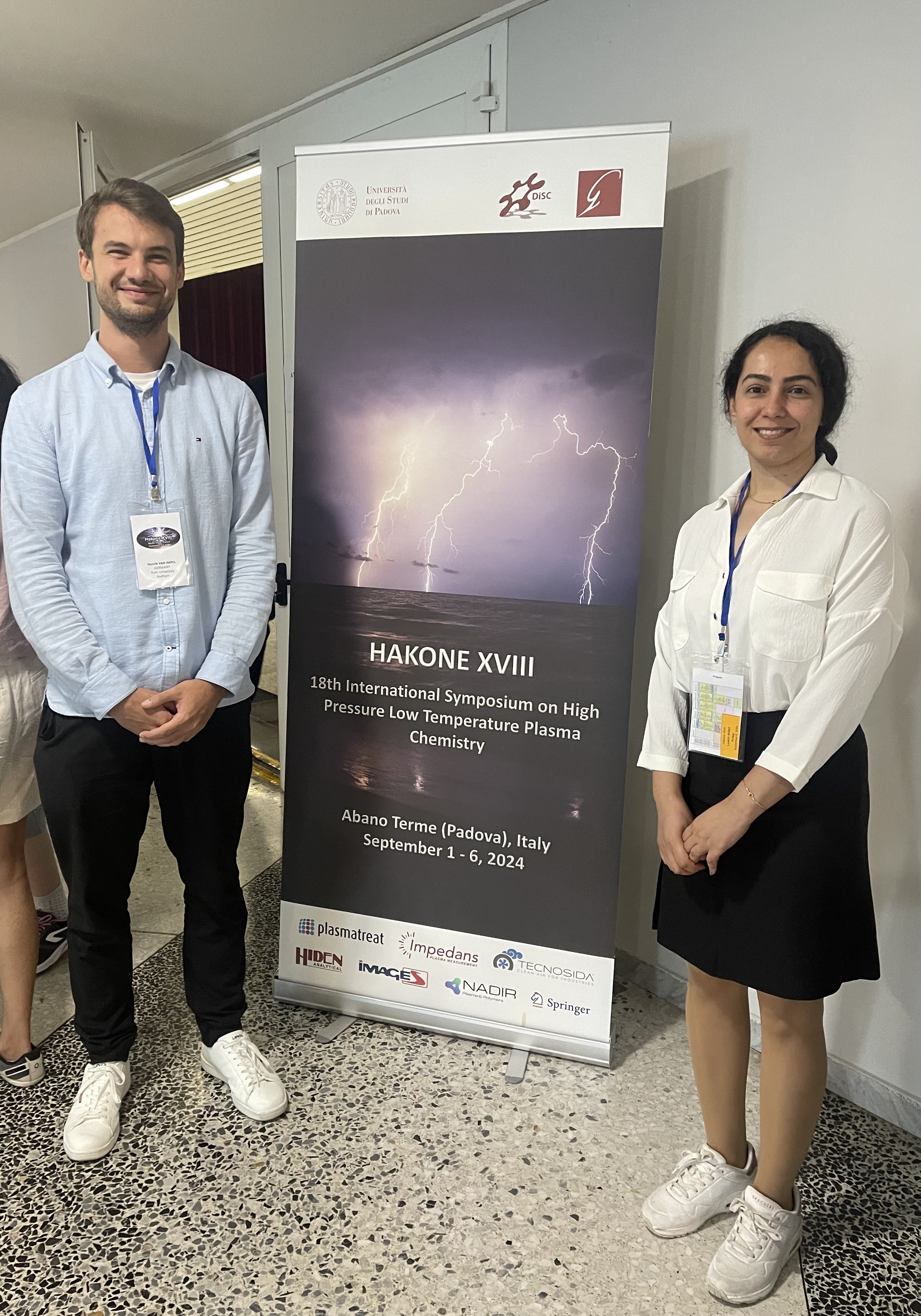 Soad Mohsenimehr and Henrik van Impel (A6) gave presentations on their latest research at the 18th Hakone Conference, which took place in Padua, Italy, from September 1st to 6th, 2024. The event featured numerous insightful presentations dealing with low-temperature plasmas at atmospheric pressure and their applications in plasma chemical processes. One of the highlights of the conference was the active participation of students: 22 of the 56 presentations were given by PhD students, which created a very appealing environment for young researchers. In particular, dielectric barrier discharges were discussed in terms of their efficiency when used with catalysts and the basic physical dynamics of the discharges. Other topics included plasma applications in agriculture and food processing as well as the interaction between plasma and liquid. In addition to the scientific findings, the conference provided an excellent platform for PhD students to network with international participants from 24 countries, promoting collaboration between disciplines.
- Details
PI Days September 2024
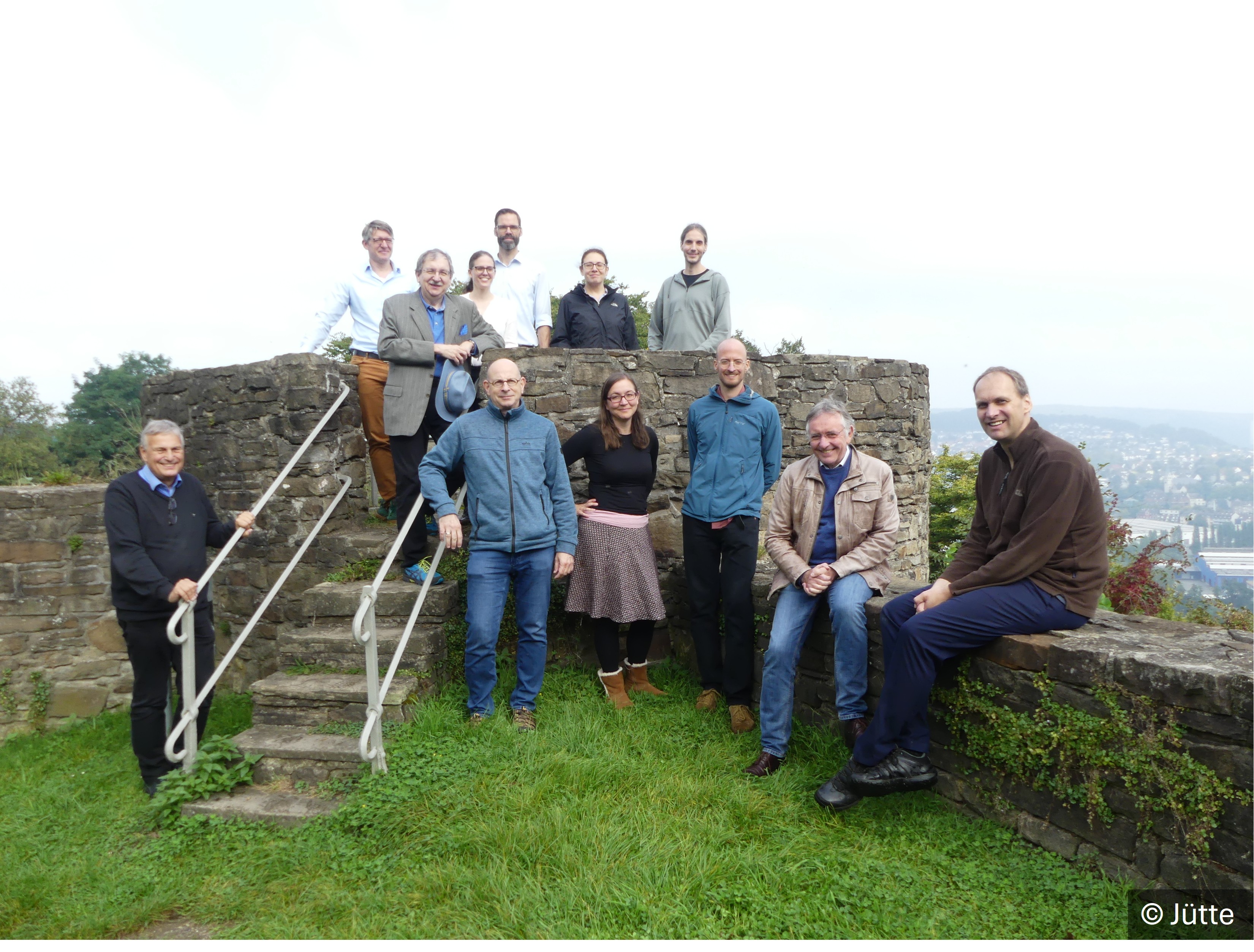
The official fall workshop of our PIs took place at Volmarstein Castle.
Away from the hustle and bustle of our universities, we worked intensively and focused on the future of our CRC: current projects were discussed and new research questions identified in lively talks, smaller discussion groups and the entire plenary session.
It remains exciting with cosmic interacting matter!
- Details
Official Partner of the AI24 conference
On 4 and 5 September 2024, the German AI, Industrial AI, and Logistics Sector elite will meet in Dortmund for AI24.
Together with the Fraunhofer IAIS, Fraunhofer IML, TU Dortmund University, and the University of Bonn, the Lamarr Institute and SFB1491 present a vibrant, innovative, and international Line-Up of excellent speakers, bridging the gap between industry, academia, and policy-making.
More information can be found here.
- Details
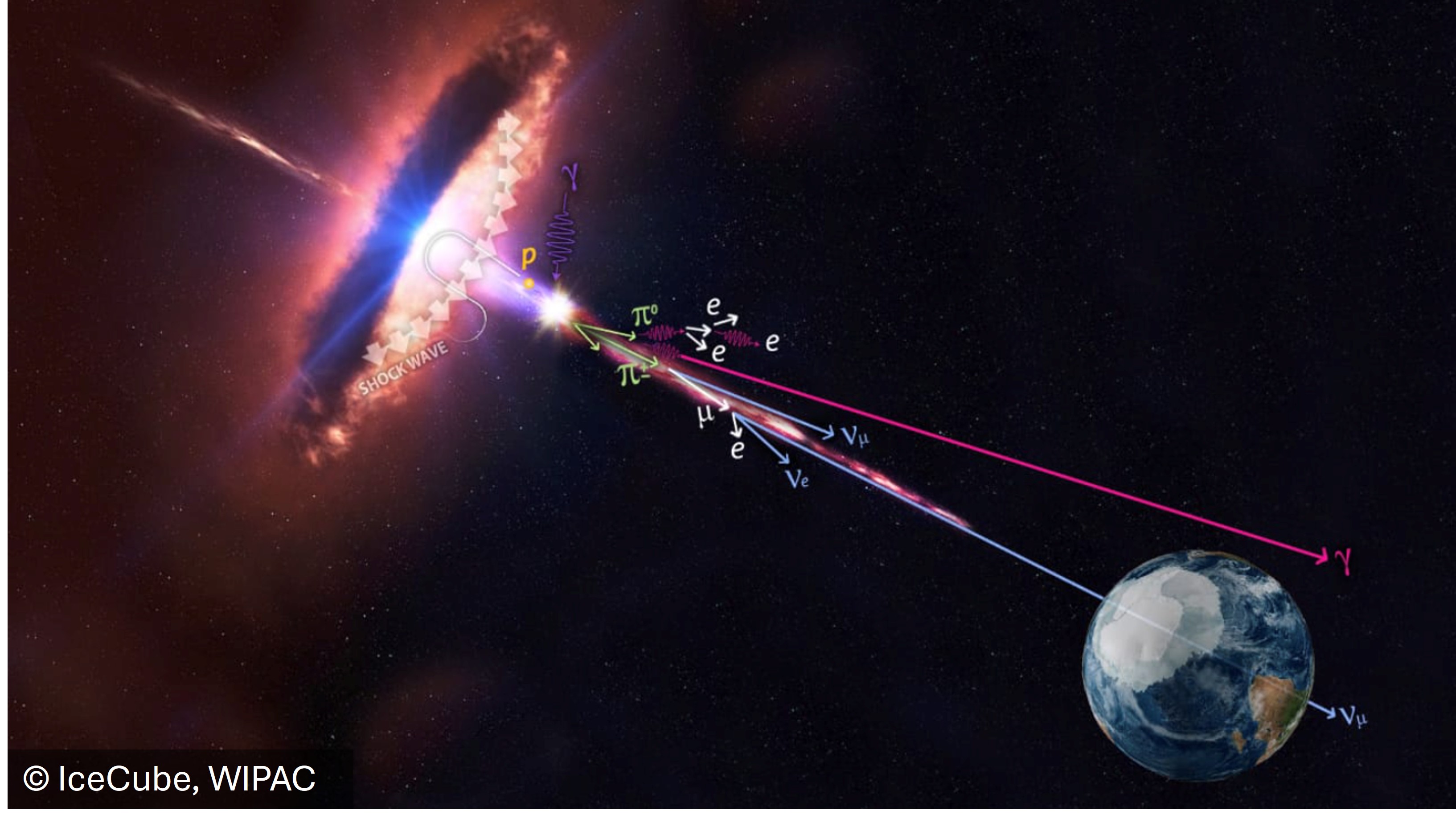
AG2024 Splinter Meeting: The Physics behind the Multimessenger Emissions of Active Galactic Nuclei
Together with our colleagues of FOR5195 - Relativistic Jets in Active Galaxies we are organizing a splinter meeting at the Annual Meeting of the German Astronomical Society.
This year, the annual meeting will be hosted at the University of Cologne from September 09-13, 2024.
Our joint splinter meeting comprises all aspects of multi-messenger AGN research to understand the processes which produce electromagnetic radiation, neutrinos and cosmic rays. With this approach, we will foster discussions on the physical properties, interaction mechanisms and evolution of AGN as well as how AGN influence and shape their environment.
For more information, please have a look at our meeting's page!
- Details
Japanese-German Workshop on Low-Temperature Plasma Application
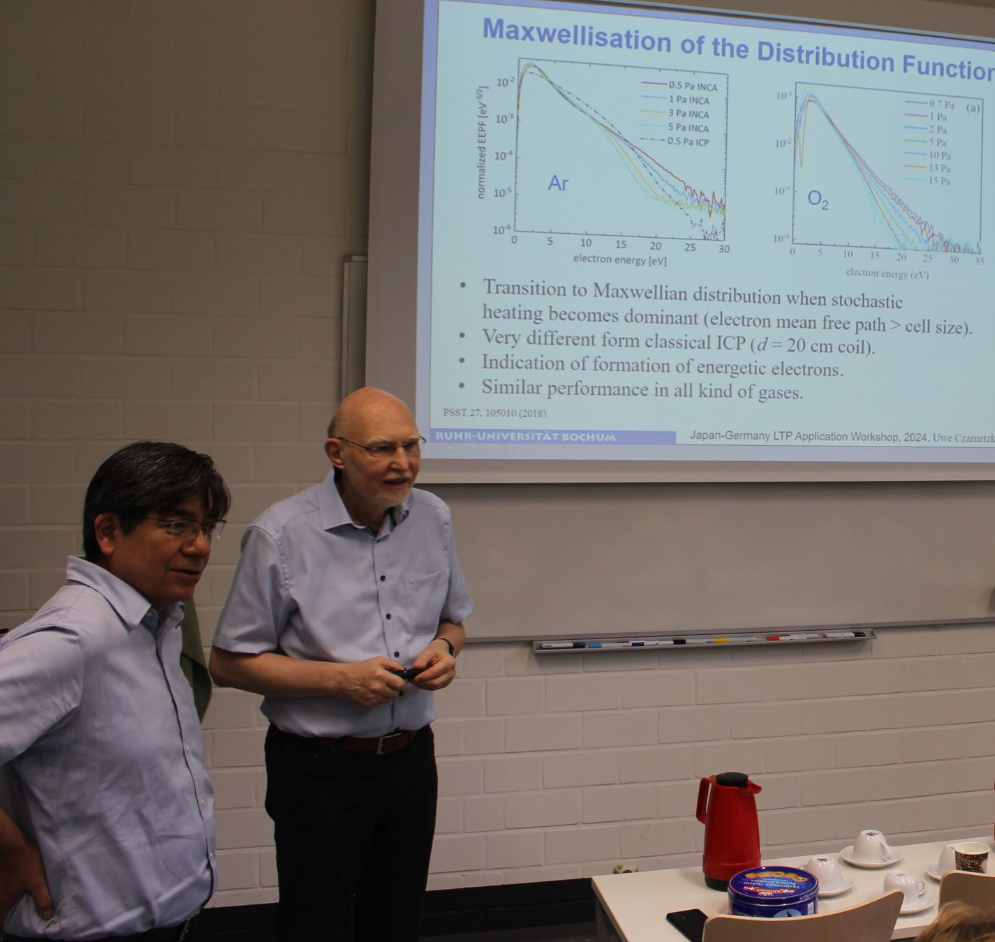 A workshop with guests from Japanese universities/ research institutions and members of the chair of Experimental Physics V was held on 25th and 26th of July. Initiated by Prof. Aramaki from Nihon University, the workshop brought together long time collegues who stayed as collaborators at EP V during the last 20 years. All of them conduct research in the field of low temperature plasmas. This covers a broad range from the application for agriculture or semiconductor fabrication as well as developing new kinds of diagnostics like vortex laser spectroscopy. With these topics a perfect overlap with the research of the CRC is given so that the workshop consists not only of one day of presentations but also one day of laboratory visits allowing for the guests to get an overview of the current local plasma research.
- Details
Five Posters at ESCAMPIG
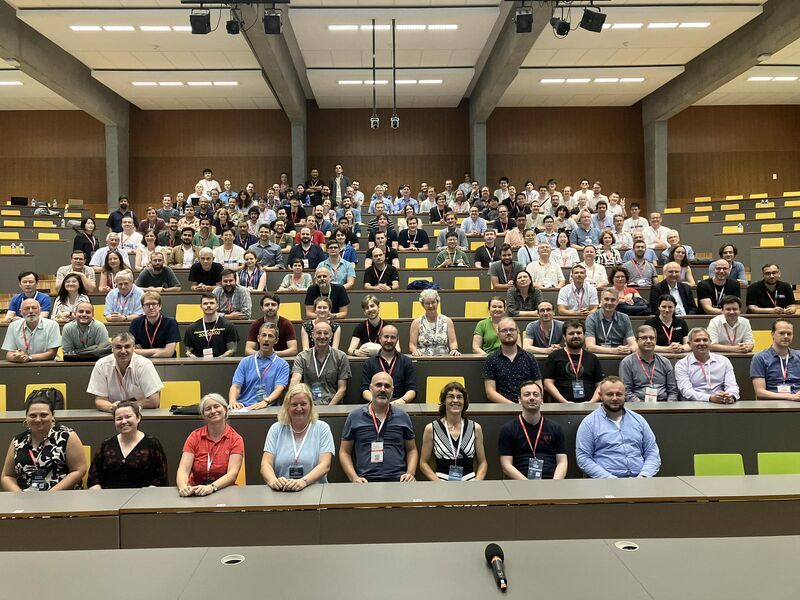 This year's ESCAMPIG conference took place in Brno, Czech Republic. Three members of Experimental Physics II and one member of AEPT from Bochum took part and contributed to the conference with five posters. In addition to the interesting plenary lectures by well-known personalities such as Peter Bruggeman (USA), Luís L. Alves (Portugal), Kinga Kutasi (Hungary) and Holger Kersten (Germany), there was a variety of around 160 other posters on both modelling and experimental topics. In addition to the professional exchange, the conference offered excellent evening events, such as the welcome party with a dance class and Czech specialities or the conference dinner with live music and a cosy atmosphere. We had many interesting discussions at the conference and met new and old acquaintances, which is why we came away from the conference with very positive experiences overall.
- Details
The Plasma Truck is on the road again!
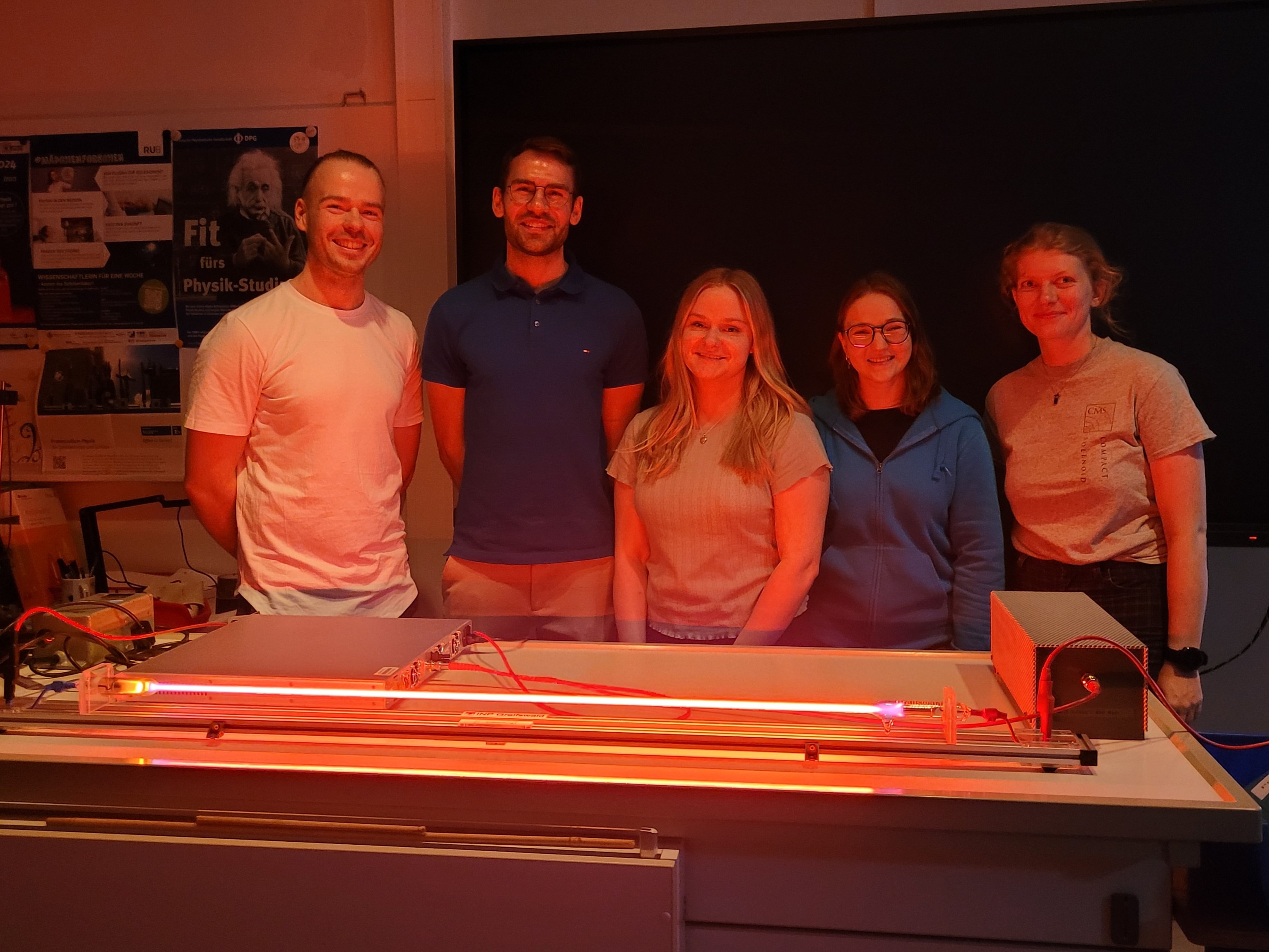 On 20th June, physics students and PhD students in physics and electrical engineering from Ruhr-University Bochum visited the Burggymnasium Essen. The high school students from grades 11 and 12 participate in the mobile workshop. They conducted exciting plasma experiments, used a spectrometer to analyse the light emission and observed how plasmas can be influenced by electrical and magnetic fields. The workshop was a success and the students showed great interest.
Although plasma physics is not part of the curriculum, some experiments in school lessons involve plasmas. The mobile workshop was developed to familiarise high school students with the concept of plasma. Experiments were designed that can be transported to school in a minibus. During the 90-minute workshop, the students experiment in small groups and learn about plasmas and their various applications.
- Details
SFB1491 leaves X
Due to the recent changes in X’s structure and function as well as its method of communication, SFB1491 no longer perceives X as a suitable platform to convey our information appropriately.
We are therefore following the example of Ruhr University Bochum, terminating our communication over X for the time being.
You will find all the latest news and insights of SFB1491 on our Instagram and LinkedIn channels.
For a detailed report, please find the RUB’s statement here.

- Details
MAGIC Early Career Scientist Award winners
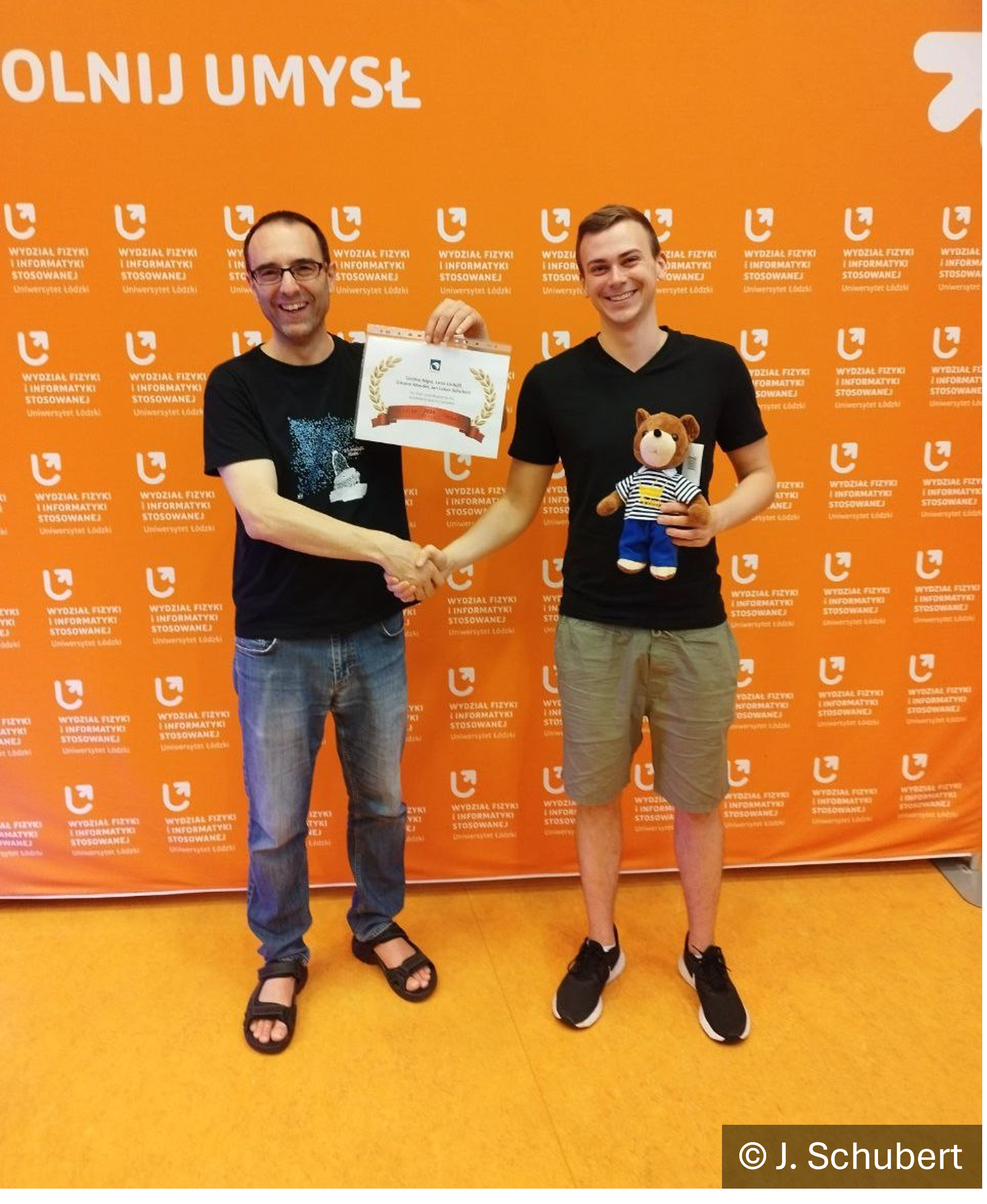
SFB1491 Early Career Scientist Jan Lukas Schubert, together with former SFB ECRs Simone Mender and Lena Linhoff, as well as Cosimo Nigro (IFAE) are awarded the Florian Goebel Prize for outstanding contributions of Early Career Scientists in the MAGIC Collaboration for their exceptional work on the automatic analysis pipeline autoMAGIC.
Congratulations Jan Lukas, Simone, Lena, and Cosimo for your distinguished contribution to the world of Astroparticle Physics!
- Details
CRC 1316 is part of the annual report 2023 of the German Science Foundation
The research of CRC1316 is highlighted in the German Science Foundation's annual report. Under the title "Electrifying with Plasmas," the various conversion strategies are explained and illustrated based on the CRC's individual projects.
- Details
IdeenExpo 2024
In June 2024, we had the great opportunity to be part of the IdeenExpo in Hanover. The IdeenExpo is Europe‘s largest youth event for technology and natural sciences!
IdeenExpo aims to inspire young minds in the STEM fields and foster future experts.
We had the chance to support the ESERO (European Space Education Office) exhibition stand, thanks to our PIs Susanne Hüttemeister, Ralf-Jürgen Dettmar and Dominik Bomans, who are also ESERO partners.
In collaboration with ESERO, a lot of activities for school kids took place, like workshops, experiments, e.g. with our Kelvin-Helmholtz tube, chats and discussions.
With all that, we had the chance to reach out to thousands of kids - aiming to spark curiosity and love for science.
The IdeenExpo will take place again in 2026 and we are already looking forward to that!
More on the IdeenExpo can be found here